

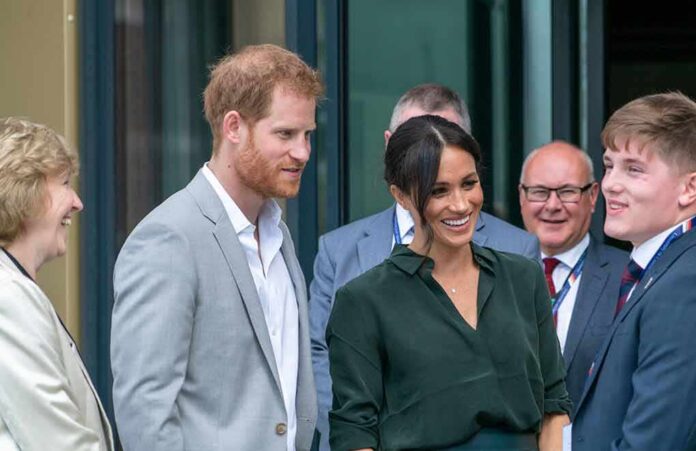
A royal letter confirms Prince Harry and Meghan remain non-working royals and must keep their HRH styles on ice.
Story Snapshot
- King Charles III’s authorized letter says Harry and Meghan are not working royals and that nothing has changed in their status.
- The couple’s “His and Her Royal Highness” styles stay “in abeyance,” meaning not used in public.
- Charity work by the couple is private, not official royal duty, according to the guidance.
- Police, not the palace, will decide any security matters for the couple in the United Kingdom.
King’s Letter Locks In Non-Working Status
Associated Press reporting states a letter issued on behalf of King Charles III told senior officials that Prince Harry and Meghan remain non-working members of the Royal Family, with no change to their current status. The guidance reaffirms that the couple stepped down from royal duties in 2020 and have not returned to public service on behalf of the Crown. The message aims to settle confusion after their move back to the United Kingdom, making clear there is no official role to resume.
American readers should see a simple line here: titles are one thing, taxpayer-backed roles are another. The letter draws that line. It says the couple’s work is private and not state business. That matters because public budgets and public trust suffer when elites blur public duty with personal brands. Clear boundaries help protect taxpayers, prevent mission creep, and reduce political spin that often shields favored figures from accountability or special treatment.
HRH Styles “In Abeyance” And Not Used
Outlets that saw the text say the letter repeats that the couple’s “His and Her Royal Highness” styles remain in abeyance and are not used. That echoes the 2020 Buckingham Palace framework, which said they would not use HRH while not serving as working royals. The wording keeps their legal situation narrow and their public presentation plain. It avoids the appearance that private work rides on royal status, which would invite confusion and possible pressure on public institutions.
The phrase “in abeyance” is fuzzy in plain English. It means something is set aside and not in use. The letter does not claim a full legal removal. It repeats a practical limit: do not use the styles. This mirrors the careful palace language from 2020, which separated day-to-day usage from legal formality. That approach keeps the focus on what the public sees and pays for, not on ceremonial wording that would require deeper constitutional steps.
Charity Work Private; Security Handled By Police
The guidance says any charity work by Harry and Meghan is a private matter for them, not the Crown. That means no automatic public platform, no implied government backing, and no mixing of official resources. It cleanly separates personal causes from state work. For many Americans who watched years of celebrity politics, this is common sense. Private advocacy should stand on its own, earn its own support, and stay out of the taxpayer lane unless voters consent to fund it.
Prince Harry and Meghan 'surprised' by King Charles letter on their royal status https://t.co/RrTX1umuy4
— Surrey Comet (@SurreyComet) September 8, 2026
On security, the letter directs questions to the relevant police agencies, not the palace. That is consistent with the 2020 stance that there are independent processes to decide any publicly funded protection and that the palace does not comment on details. Putting police in charge of risk reviews protects both the public purse and the rule of law. It avoids royal or media pressure steering resources toward high-profile figures without a grounded threat assessment.
Why This Matters For Accountability And Fairness
Clear rules protect citizens from special deals for the well connected. The 2026 letter reinforces the same core guardrails set in 2020: no working role, no HRH use, private charity work, and independent security decisions. That framework matches basic conservative principles. Public duty should be defined, narrow, and accountable. Private efforts should be funded privately. Security should follow risk, not status. Boundaries like these resist the elite habit of getting perks without responsibility.
Context: A Reaffirmation, Not A Rewrite
The palace already set this track in 2020 when the couple stepped down. At that time, reports said they would not use HRH and would stop receiving public funds for royal duties. The new letter does not add a dramatic twist. It clarifies, restates, and gives officials a reference point. Some will debate the term “abeyance,” and the palace has not published the full document here. But across major outlets, the message is consistent, specific, and administratively focused.
Bottom Line For U.S. Readers
The takeaway is simple. The King’s team drew firm lines to prevent blurred roles, mixed funding, and confusion over status. That kind of clarity is what many Americans want in our own government: smaller promises, tighter rules, and less room for special access. Let charity be private, let police handle security by the book, and keep public service accountable to the people who pay the bills. That is a win for common sense over celebrity politics.
Sources:
people.com, dailymail.com, newsweek.com