

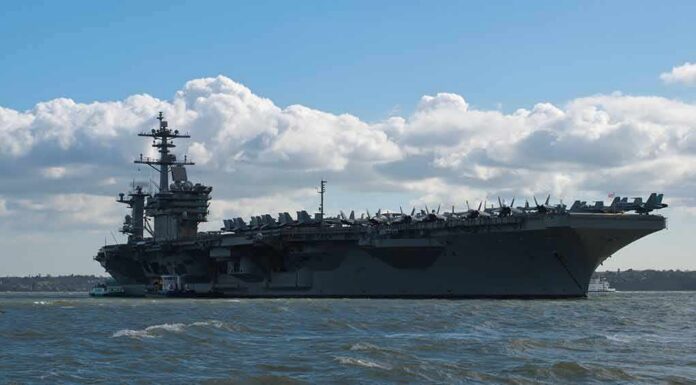
A Pentagon memo says Navy payroll accounts face “shortfalls” as money moves to combat needs, forcing tough trade-offs while leaders race to keep sailors paid on time.
Story Snapshot
- A leaked memo warns of payroll “shortfalls” as funds shift to the Iran war.
- Navy says it is meeting pay on time while juggling combat costs and readiness.
- Non-emergency shore maintenance is delayed amid financial strain, reports say.
- Admiral warned Congress the 2026 budget did not include this war’s costs.
Pentagon Memo and Navy Response on Pay Stability
Reporting says a Pentagon document warns of “shortfalls in payroll” because accounts were “raided” to cover combat operations tied to the Iran war. A Navy official told reporters that payroll dollars were shifted and backfilled from unused funds to make paydays whole. The Department of the Navy said it is “actively managing its resources” to meet pay on time, and is working with Congress to sustain personnel and readiness through the year. No public evidence shows missed paychecks so far.
Separate coverage says some non-emergency shore maintenance has been delayed due to money pressure, which is a common valve leaders use to protect pay and operations first. This tracks with how the military often moves money in wartime until Congress passes added funds. The practice can keep ships deployed but can also deepen backlogs on base work. The Pentagon prefers added appropriations to stop these trade-offs from growing over months of combat.
Budget Gaps Tied to War Costs and Operational Tempo
Admiral Daryl Caudle told lawmakers in May that the Navy’s 2026 budget did not include the Iran campaign and warned that routine operations would face cuts without a supplemental bill. He also said manpower accounts could take hits if Congress delayed help, including holding thousands of sailors in place for permanent change of station moves and trimming bonuses to manage cash flow. These warnings match the later memo language about shortfalls and backfilling reported by news outlets.
The reporting does not show the size of any payroll gap in dollars, and the internal memo is not public, which limits outside review of the exact books. Still, the pattern is familiar. When war costs rise faster than budgets, the services reprogram funds to keep the fight going. That can ripple into training, travel, and maintenance. The Navy says it is meeting pay on time, which suggests aggressive cash management while leaders seek supplemental money from Congress.
Maintenance Backlogs and Longstanding Readiness Strain
Government Accountability Office reports before the war found the Navy already faced limited spare parts, too few qualified maintenance workers, and frequent deferral of needed work on surface ships. Those issues do not start the current strain, but they make the impact worse when new combat costs hit. When leaders push money to operations, the backlog grows and crews shoulder more risk and stress. That is why clear, stable funding is vital to protect both readiness and people.
US Navy in ‘financial strain’, ‘shortfalls in payroll’: ‘They shot all their weapons, they trashed all their ships, they ran out of their money”
Source: We Got This Covered https://t.co/PBp7LMMNYE— W. Allan Goode (@allangoode) August 29, 2026
Conservatives expect government to plan, spend wisely, and keep promises to service members. The facts show leaders moving fast to protect pay, but also show pressure building in other areas. Congress should pass targeted, transparent war funding and demand line-by-line details on any transfers. The Pentagon should release the memo, quantify any payroll gaps, and show a schedule to unwind deferred maintenance. That would defend readiness, cut waste, and honor sailors and families who carry the load.
Sources:
military.com, theguardian.com, mobile.newsis.com, ground.news