

A Nevada judge just cleared jurors to hear Duane “Keffe D” Davis’s own words about Tupac Shakur’s killing, snapping a 30-year cold case back to life.
Story Snapshot
- A judge ruled Davis’s 2008 police interview admissible, reviving the 1996 case.
- Prosecutors plan to lean on Davis’s statements and his 2019 memoir as key evidence.
- Davis pleads not guilty and says past accounts were entertainment, not truth.
- Jury selection finished and opening statements began in Las Vegas this week.
Judge’s Ruling Put Old Admissions Back on the Table
On July 29, 2026, Nevada Judge Carli Kierny ruled that a 2008 police interview with Duane “Keffe D” Davis can be used at trial. That decision gave prosecutors access to Davis’s own description of the night Tupac Shakur was shot in Las Vegas. National Public Radio reported the interview includes Davis recounting events and naming a shooter, which the state says shows his role as organizer of the attack. This ruling is the hinge that turned a cold file into an active courtroom case.
Prosecutors also moved to introduce Davis’s published words from 2019. They argue his memoir details his part as a “shot-caller” and eyewitness, reinforcing the 2008 account. Coverage by major outlets says the state’s plan is clear: use Davis against Davis, and prove he orchestrated the hit through his own voice on tape and on the page. That strategy matters because confession evidence is often seen as especially persuasive to juries, even in older cases.
Trial Opens With the Defendant’s Words as Centerpiece
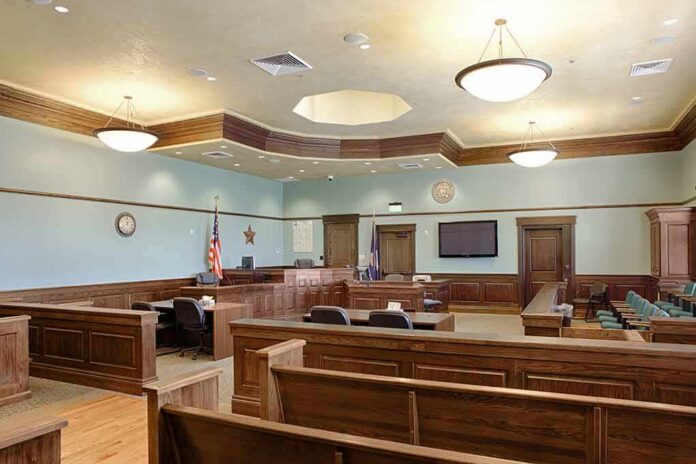
Opening statements began in Las Vegas after a jury was seated, bringing a long-stalled mystery into a modern courtroom. Reports say prosecutors will outline how Davis’s statements fit their theory under accomplice and organizer liability. They will argue they do not need the triggerman in the dock if they can show Davis planned and directed the ambush that killed Shakur and wounded Suge Knight on the Strip in 1996. Davis has pleaded not guilty and remains presumed innocent.
Prosecutors have previewed a case focused on credibility and corroboration. A recent filing said most of their evidence aims to prove Davis’s accounts are reliable and consistent with other facts in the record. That aligns with Nevada law, which demands support beyond any single insider statement in serious cases. The state’s burden is to connect Davis to the act, not just prove the murder happened. The judge’s rulings on what jurors can hear may decide that contest.
Defense Pushback: “Entertainment,” Not Confession
Davis and his lawyers push a different story. They say the book was ghostwritten, embellished, and aimed at sales, not truth. They argue prior claims were for “entertainment,” not sworn admissions of guilt. An American Broadcasting Company report on a defense motion quotes the team calling the state’s evidence a pile of hearsay and speculation. Davis has asked for release to house arrest and continues to deny any role in the killing. Jurors will judge which version carries weight.
Thirty years after Tupac Shakur was killed in Las Vegas, opening arguments are expected in the murder trial of Duane “Keffe D” Davis.https://t.co/OgjMqqPVzf
— BizNest Daily (@biznestdaily) August 18, 2026
The district attorney’s office has also accused Davis of plotting to intimidate or harm witnesses, citing recorded jail calls. That allegation sharpens the prosecution’s narrative about control and intent in this case. If jurors find those claims credible, they could read them as signs of a guilty mind. If not, they could see them as unrelated noise around a decades-old file now built mainly on a defendant’s statements from years after the crime. The court will filter what is allowed in.
Why This Cold Case Moved Now
Two court steps unlocked momentum: admitting the 2008 interview and greenlighting use of the 2019 memoir. Together, they gave prosecutors a coherent story told by the accused, which helps when physical evidence has faded with time. Major outlets report the state aims to show Davis organized the hit, even without a recovered weapon. That approach mirrors how many late prosecutions work today when words, not forensics, carry the case into trial.
For readers who back law and order, this case shows why steady policing, patient prosecution, and firm judges matter. Careers change, memories dull, and witnesses move on. But when courts let jurors hear a defendant’s own detailed accounts, a cold case can heat up fast. The system’s job is not to chase media myths. It is to test evidence in public, under rules, and let citizens decide. That process is finally underway in Las Vegas.
Sources:
usnews.com, cnn.com, abcnews.com, npr.org, wbaltv.com