
President Trump’s reciprocal tariff push is reshaping trade power and forcing allies and rivals to the table.
Story Snapshot
- Trump set a baseline 10 percent duty on most imports to rebalance trade and demand reciprocity.
- Congress is weighing new laws that could either expand or curb presidential tariff power.
- Analysts say decades of delegation let presidents act fast on trade, but fights over limits are intensifying.
- Critics warn of higher costs for U.S. consumers; some studies show most costs land at home.
What Trump’s Reciprocal Tariff Order Actually Does
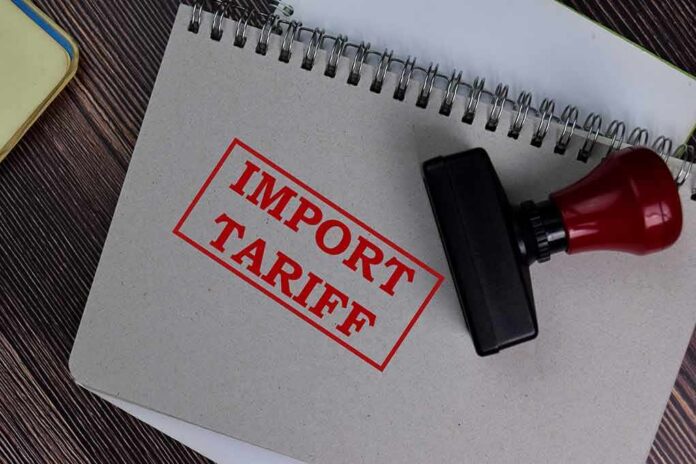
On April 2, 2025, President Trump issued a presidential action setting an additional 10 percent duty on virtually all imports, with limited exceptions, to “rebalance global trade flows.” The order framed the policy as a necessary response to long, persistent goods trade deficits and foreign trade barriers. It laid out a reciprocal approach: if partners keep higher barriers, the United States will match with tariffs until talks deliver better terms for American workers and producers.
Congressional research summaries confirm the broader trend since January 20, 2025: the administration has raised tariff levels across many product lines and partners. These moves use long-standing statutes that let presidents adjust duties under defined conditions. While past administrations used both targeted and broad actions, the current approach is notable for scope and speed, and for linking leverage to a clear reciprocity standard aimed at changing foreign behavior.
Who Holds the Power: President or Congress?
The Constitution gives Congress the power to levy tariffs, but Congress has delegated large parts of that authority to presidents over many decades. That shift, described by nonpartisan analysts, was driven by a desire for flexibility and to avoid narrow protectionist pressures in Congress. Today’s debate centers on how far those delegations reach, what findings they require, and whether the White House can use tariffs as open-ended leverage beyond narrow, case-by-case remedies.
Lawmakers are now revisiting those lines. One proposal, the Trade Review Act of 2025, would reassert congressional control over major tariff decisions. Separately, reporting shows a new sanctions bill could hand President Trump broader power to raise duties against certain countries, including steep rates tied to national security concerns. Another provision under discussion would cap emergency tariffs at 15 percent and limit them to 150 days without approval, tightening the clock on presidential actions.
How This Affects Prices, Industry, and Leverage
Supporters argue a firm 10 percent baseline counters years of one-sided trade. They say predictable leverage can move foreign capitals to reduce barriers and stop unfair practices. They also point to early behavior shifts by partners responding to tariff threats and to carve-outs that maintain key supply chains. The policy logic is straightforward: stop rewarding free riders, restore balance, and win better deals for American families, farmers, and manufacturers through hard, credible pressure.
Critics warn about price impacts at home. Several outlets and researchers report that American firms and households have shouldered much of the tariff costs, especially in the short run. Reuters summarized early evidence that higher import taxes can lift retail prices and add to inflation pressures if not offset by exchange rates or supplier discounts. These findings fuel calls in Congress to narrow presidential discretion or add tighter time limits and oversight on broad tariffs.
The Separation-of-Powers Fight You Should Watch
Nonpartisan reports outline the legal roots of this fight. Congress has long authorized presidents to adjust tariffs under specific laws. That history explains why modern trade shocks often start in the White House rather than on Capitol Hill. As courts police the edges of that power and Congress rethinks guardrails, expect sharper tests of how reciprocal tariffs fit within those statutes. The core question is simple: who decides, and for how long, when trade leverage becomes tax policy.
For conservative readers, the stakes are clear. America should not surrender leverage to global bodies or accept lopsided deals. President Trump’s policy plants a stake for fair terms and stronger domestic industry. But Congress must keep its Article I role alive, so tariffs stay tough, targeted, and lawful. Done right, reciprocity puts American workers first while preserving the constitutional balance that protects our freedom and prosperity.
Sources:
youtube.com, congress.gov, ntu.org, brookings.edu, cbc.ca, constitutioncenter.org, blogs.lse.ac.uk, tcf.org, taxfoundation.org