
Clashing reports, missing logs, and grim videos raise hard questions about Venezuela’s earthquake response while U.S. rescue teams move in.
Story Snapshot
- Venezuela declared a nationwide emergency within hours of twin quakes [3].
- Casualty counts conflict across outlets, fueling distrust and confusion [6].
- Journalists say rescuers lack basic gear as hospitals overflow [11].
- U.S. coordination and international aid are ramping up despite politics [2].
Emergency Declared Fast, But Transparency Lags
Acting President Delcy Rodriguez announced a nationwide state of emergency within hours of the back-to-back earthquakes, saying civil protection and the national emergency system were deployed across affected states [3]. Speed matters in a disaster, and fast activation can save lives. Yet officials have not released detailed deployment logs or resource records. Without receipts on equipment, staffing, or budgets, families and donors cannot verify who has what and where. That void feeds doubt and slows trust.
Clear, public data should track trucks, tools, and teams. It should also show hospital capacity and supply chains as patients arrive. None of that is available now in government channels. The absence of basic reporting invites rivals and commentators to shape the narrative. In a crisis, information discipline is not spin; it is a lifesaving tool for routing aid and stopping waste. Venezuela’s agencies should post daily operational dashboards to steady the response.
On-The-Ground Accounts Show Equipment Gaps
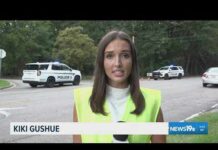
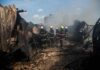
Journalists on scene describe rescuers starting work right after the shaking stopped, but without the machines they need to cut, lift, or shore up rubble. One reporter called first responders “forgotten” by the state, while volunteers said the system is “collapsed,” with hospitals treating patients outdoors amid aftershocks [11]. These claims match videos of people pulled from debris and overwhelmed crews digging by hand. The reports are observational, but they are consistent and specific about missing tools.
Those ground reports do not directly disprove the declaration of deployment. Both things can be true: an agency activates on paper, while field units lack gear, fuel, or safety training. That is why documentation matters. A simple release listing cranes, cutters, medical tents, and which neighborhoods received them would calm fears and direct outside help to the gaps. Until then, communities will keep filling holes with grit and prayer while media frames the state as absent.
Conflicting Death Tolls Undermine Credibility
Death and injury numbers vary widely across outlets. Some reports cite at least 164 dead, while others reference higher figures and different injury totals [6]. Government-linked statements referencing 188 dead also circulate in social posts, but they are not paired with a published methodology or a time-stamped, centralized tally. In disasters, counts change. But unexplained swings erode faith fast. Authorities should post a single, updated ledger that notes sources, time, and verification steps.
Families deserve the truth, and responders plan better with it. A reconciled casualty table, broken out by state and status, would stop rumor mills and anchor logistics. If morgues or hospitals are offline, say so and show the workaround. If roads are blocked, map the detours and request specific heavy equipment. Precision beats slogans. Silence feeds conspiracy, and chaos thrives in that space.
U.S. Coordination and Global Aid: Put Politics Aside
The United States moved to coordinate search-and-rescue support after contact between U.S. officials and Acting President Rodriguez, while other nations offered personnel and gear [2]. For American readers, this is the right lane: help people live, keep politics down, and track where our aid lands. Expect elite search teams, medics, communications kits, and logistics pros to make a quick impact. But they work best when hosts share accurate maps, needs lists, and secure staging areas.
🇸🇻🇻🇪 El Salvador isn't just sending thoughts and prayers to Venezuela, it's sending tons of aid.
President Bukele confirmed the second flight has landed and a third is already in the air, carrying machinery, equipment, and supplies for search and rescue teams on the ground.
— Mario Nawfal (@MarioNawfal) June 26, 2026
Our readers know the pattern: grand claims, thin data, and preventable loss. Demand better. Ask for public deployment logs, hospital capacity dashboards, and a unified casualty ledger updated on a reliable schedule. Support trusted charities with proven audit trails. Pray for the trapped and those digging to reach them. And stay alert: when states hide the ball, corruption and waste creep in. Sunlight, not slogans, saves lives and honors the dead.
Sources:
[2] Web – Videos show people trapped under debris, including children, pulled to …
[3] Web – How to help victims of deadly Venezuela earthquakes – ABC News
[6] Web – Rescue crews and residents dug through the rubble of buildings in …
[11] Web – Venezuela earthquake rescue efforts hindered by lack of equipment