

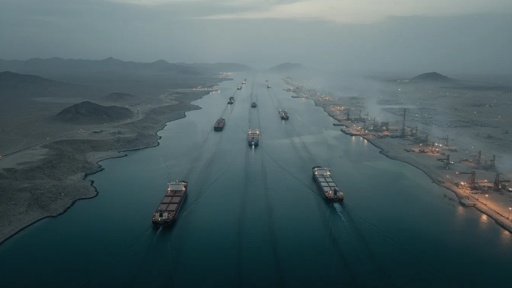
A floated ‘VIP pass’ fee for U.S. Navy tanker escorts in the Strait of Hormuz is already giving globalists, Iran, and the media new ways to undermine American energy security.
Story Snapshot
- The Trump administration is weighing a paid “VIP pass” option for faster, escorted tanker transits through Hormuz.
- President Trump has ordered U.S. Navy escorts “if necessary” and deployed federal risk insurance to keep oil flowing.
- Pentagon and cabinet officials say escort missions take time to set up, giving critics an opening to shout “not ready.”
- Corporate shippers are hesitant, even as Iran threatens traffic and insurance costs soar for every gallon of fuel you buy.
What The ‘VIP Pass’ Escort Idea Actually Is
The Politico report that set off headlines says Trump officials discussed a kind of paid “VIP pass” with oil and shipping executives, where shipowners could pay a fee for expedited, escorted passage through the Strait of Hormuz.[1] Industry sources describe it as tankers jumping to the front of the line with possible U.S. Navy cover, in exchange for a payment that helps offset mission costs and risk. The same conversations include using U.S. law to push American insurers to keep offering coverage in war zones.[1]
From the White House side, this paid option sits on top of a broader move Trump has already made: ordering the U.S. Navy to be ready to escort tankers “as soon as possible” and telling the U.S. International Development Finance Corporation to offer political risk insurance and guarantees for all maritime trade, especially energy, in the Gulf.[3] Trump framed it in plain terms, saying the United States will ensure the “FREE FLOW of ENERGY to the WORLD,” and promising “more actions to come.”[3]
Why Hormuz Escorts Matter To Your Wallet At Home
The Strait of Hormuz is one of the tightest choke points for world oil, and every threat there hits your gas bill within days. Analysts note that current price spikes are being driven less by lost supply and more by war risk, insurance, and logistics fears.[2] Iran has attacked or threatened tankers, and many ships are idled rather than sail through a narrow waterway where missiles, drones, and small boat attacks are real.[6] When insurance prices jump, every barrel moved through that corridor costs more before it ever reaches an American refinery.
By putting U.S. capital and U.S. warships “directly behind Gulf shipping,” Trump is trying to crush that war-risk premium and tell the market that a full blockade is off the table.[2] Political risk insurance from the Development Finance Corporation is meant to act as a backstop when private insurers want to walk away.[3] For conservative families already squeezed by years of inflation and high energy costs, this is less about helping foreign shippers and more about stopping woke financial institutions or nervous Europeans from letting Iran weaponize fear and drive up prices again.
Critics Cry ‘Not Ready’ While The Pentagon Stages Up
Corporate media quickly jumped on comments from Energy Secretary Christopher Wright, who said escorts will happen “relatively soon” but “can’t happen now,” because military assets are focused on destroying Iran’s offensive capabilities.[6] Another report summed it up as the Navy “simply not ready” yet to launch full escort operations, stressing a gap between Trump’s pledge and immediate execution.[5] Treasury Secretary Scott Bessent added that escorts will begin “as soon as it is militarily possible,” reinforcing that the first phase is neutralizing Iranian threats.[6]
Military planners describe this as a two-step job: first “prepare the battlefield” by reducing anything Iran has that can kill ships, then start organized convoy-style escorts.[6] That means airstrikes, mine-sweeping, and setting up staging areas at either side of the contested stretch where commercial ships can gather under guard.[6] It is not a video game where you flip a switch and convoys appear overnight. Still, the press leans hard into the delay narrative, feeding a familiar storyline of American “weakness,” even while the same reports admit that the complex operation is already in its preparatory stages.[6]
Will Shippers Pay For Protection Or Keep Waiting On Others?
So far, only a handful of companies have raised their hands to join U.S. escort plans, which is why the administration is even exploring a fee-based “VIP pass.”[1] Many owners fear not just damage to tankers but being targeted by Iran for choosing American protection over staying dark or cutting side deals.[1] Politico notes that a $20 billion political insurance offer earlier in the crisis drew few takers, because some owners did not want to risk ships in waters where missiles and drones were already hitting hulls.[1]
The hesitation here exposes a deeper problem many readers will recognize: big multinationals often want the benefits of U.S. power while ducking the costs and political heat. The “VIP pass” concept tries to align incentives by asking those who want faster protection to help pay for it, instead of dumping the entire bill on American taxpayers.[1] For a conservative base tired of endless free-riding by foreign corporations and allied governments, a user-pays model sounds more like basic fairness than some sinister scheme.
Balancing Strength, Risk, And American Priorities
Some defense writers warn that escorting tankers through Hormuz would place U.S. Navy warships inside a dense “weapons engagement zone” filled with Iranian missiles, drones, fast boats, and mines.[11] They stress that every ship used for escorts is a ship not doing other missions, and that convoy duty in a narrow, contested strait is always dangerous.[11] Those risks are real, and they echo past escort campaigns in the Gulf where America took hits but still kept sea lanes open for the free world.[22]
THE #TRUMP ADMINISTRATION IS CONSIDERING PROVIDING SPECIAL U.S. NAVAL ESCORTS FOR COMMERCIAL TANKERS TRANSITING THE STRAIT OF HORMUZ TO HELP RESTORE SHIPPING CONFIDENCE AND REDUCE DISRUPTIONS. – POLITICO
— Global.TV (@GlobalTelevsion) June 17, 2026
For Trump supporters, the core questions are simple: Do we let Iran, China, and global insurers decide when energy moves, or do we reassert lawful navigation backed by American strength? The administration’s answer is to pair military readiness with market tools like risk insurance and, possibly, optional fees for faster escorts.[3][1] That approach aims to protect working Americans from another round of energy chaos, while making sure those who use U.S. firepower the most shoulder more of the burden instead of quietly passing the bill to your family.
Sources:
[1] Web – Trump Administration Mulls Charging Fees for Naval Escort Through …
[2] Web – ‘VIP pass’: Trump administration mulling how to coax more oil tankers …
[3] Web – Trump administration has vowed to escort oil tankers through Strait of …
[5] Web – Trump administration has vowed to escort oil tankers through Strait …
[6] Web – ‘Free flow of energy’: Donald Trump orders US Navy to escort …
[11] Web – Trump administration has vowed to escort oil tankers through Strait of …
[22] Web – Strait of Hormuz | International Crisis Group