

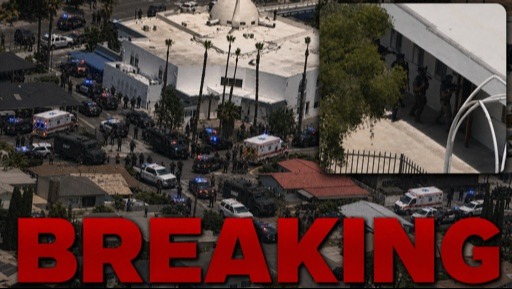
A mother’s desperate warning to police about her teenage son’s radicalization went unheeded, leading to a deadly mosque shooting that has exposed catastrophic failures in our law enforcement’s ability to prevent domestic terrorism—even when red flags wave directly in their faces.
Mother’s Unheeded Warning Exposes System Failure
The mother of one of the mosque attackers contacted police before the massacre, expressing concern about her child’s radicalization and potential for violence. Law enforcement officials received this warning but failed to take sufficient action to prevent the attack. This breakdown represents a fundamental failure of the system designed to protect Americans from domestic terrorism. The incident mirrors other cases where family members recognized danger signs but found themselves unable to trigger an effective law enforcement response. When parents take the extraordinary step of reporting their own children as potential threats, authorities must treat such warnings with the seriousness they deserve.
Teen Shooter’s Nazi Ideology Revealed Through Evidence
Police investigation uncovered a BMW vehicle and fuel container marked with Nazi symbols, providing clear evidence of the teenage perpetrator’s far-right extremist ideology. The presence of the Nazi sticker on a gas container suggests the attacker may have planned additional violence beyond the shooting itself, possibly including arson. This ideological branding is consistent with patterns seen in other far-right attacks targeting religious minorities. The teenager’s descent into neo-Nazi extremism likely occurred through exposure to online radical content on platforms that continue to host white supremacist material. These symbols represent more than mere teenage rebellion—they signal allegiance to an ideology that views violence against perceived enemies as justified and even heroic.
Pattern of Youth Radicalization Demands Action
Security services across Western nations report rising numbers of teenagers flagged for extremist content consumption, both Islamist and far-right in nature. Adolescents prove particularly vulnerable to identity-based narratives and conspiratorial theories promoted in online echo chambers. The Christchurch mosque shooter, who killed fifty-one worshippers in New Zealand, explicitly cited platforms like 4chan, 8chan, and YouTube as ideological resources. Subsequent attackers, including Philip Manshaus in Norway, referenced the Christchurch massacre as inspiration for their own violence. This copycat phenomenon creates a self-reinforcing cycle where each attack emboldens potential future attackers within extremist online communities. Parents and educators must remain vigilant about young people’s online activities while demanding tech companies take meaningful action against radicalization content.
The targeting of mosques during prayer times represents a calculated choice by attackers seeking maximum casualties among what they perceive as soft targets. Religious communities gathering for worship should never face this kind of vulnerability. Yet law enforcement agencies continue to struggle with the challenge of identifying credible threats from the noise of online extremist chatter. When concrete warnings arrive from family members, as allegedly occurred in this case, the failure to act becomes inexcusable. American families deserve confidence that when they sound the alarm about radicalized loved ones, authorities will respond with appropriate urgency and legal tools to intervene before tragedy strikes.
Sources:
Christchurch mosque shootings – Wikipedia
New Zealand Attack: Christchurch Teenager Charged With Distributing Mosque Rampage – NDTV