
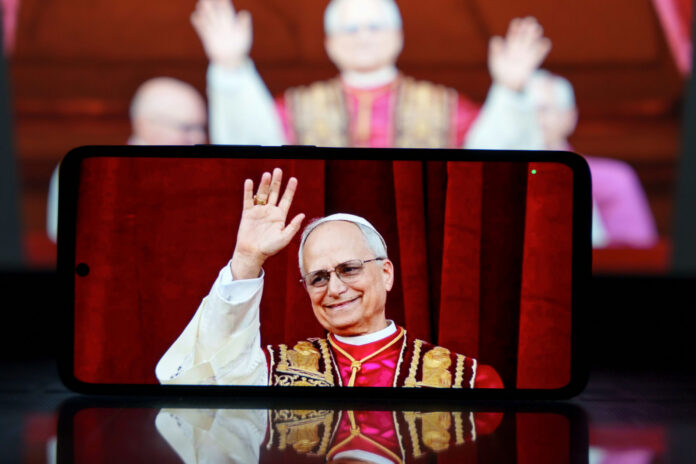
Secretary of State Marco Rubio’s emergency diplomatic mission to the Vatican exposes a deepening rift between the Trump administration and Pope Leo XIV, revealing the administration’s struggle to contain fallout from the President’s unprecedented public attacks on the leader of 1.3 billion Catholics worldwide.
Presidential Attacks Trigger Diplomatic Crisis
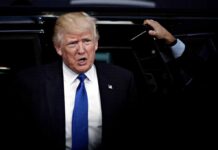
President Trump initiated public social media attacks on Pope Leo XIV in late April 2026 after the pontiff criticized administration immigration policies as lacking compassion and called for diplomatic resolution to the U.S.-Israeli conflict with Iran. Trump accused the Pope of being “soft on crime and terrorism,” marking an extraordinary departure from traditional diplomatic protocols between Washington and the Holy See. The President’s willingness to publicly attack the spiritual leader of the world’s Catholics demonstrates the administration’s frustration with papal interference in policy matters it considers sovereign prerogatives.
Rubio’s Catholic Credentials Deployed for Repair Mission
The administration selected Rubio, a practicing Catholic, specifically because he had not participated in the anti-papal rhetoric and possessed religious credibility the Pope might respect. Rubio downplayed the visit’s diplomatic urgency during a May 5 press conference, claiming it was merely routine engagement and citing humanitarian discussions about Cuba and Christian persecution in Africa as primary agenda items. This public messaging contradicted the obvious reality that the administration needed to deploy its top diplomat to contain damage from the President’s inflammatory attacks and prevent further deterioration of U.S.-Vatican relations.
Vatican Maintains Independent Moral Authority
Pope Leo XIV’s theological statement that “God doesn’t listen to the prayers of those who wage war” directly challenged the Trump administration’s Iran military operations, positioning the Vatican as an independent moral voice refusing to defer to American pressure. Cardinal Pietro Parolin, Vatican Secretary of State, strongly defended the Pope on the eve of Rubio’s visit and emphasized “the need to work tirelessly in favor of peace” during diplomatic talks. The Vatican’s public stance demonstrates institutional commitment to maintaining independence on matters of war, immigration, and humanitarian concern regardless of Washington’s preferences or displeasure.
Internal Administration Tensions Surface
Vice President Vance’s April 14 theological criticism of the Pope reveals a hardline faction within the administration willing to escalate confrontation with religious authority. Vance’s absence from the diplomatic mission indicates recognition his presence would prove counterproductive, yet Trump’s decision to attack the Pope again on the morning of Rubio’s Vatican audience suggests internal disagreement about diplomatic strategy. Italian political analysts expressed skepticism about Rubio’s effectiveness, with former ANSA news agency head Giampiero Gramaglia questioning whether Rubio truly functions as Trump’s conciliator or pursues personal political ambitions ahead of 2026 midterms and the 2028 presidential race.
European Allies Break Ranks Over Iran Policy
Italian Premier Giorgia Meloni and Foreign Minister Antonio Tajani both defended Pope Leo XIV against Trump’s attacks and criticized the Iran war as “illegal,” signaling potential fractures in Western alliance cohesion. Rubio’s scheduled May 8 meetings with Italian leadership are expected to prove “not much easier” than the Vatican audience, according to diplomatic observers. This European pushback against U.S. military operations, combined with Vatican advocacy for diplomatic resolution, suggests the Trump administration faces isolation from traditional allies on its Iran strategy and immigration enforcement policies that many view as excessively harsh.
Rubio visits Vatican amid escalating tensions between Trump and Pope Leo https://t.co/7gA8lOVlOH
— Claire Giangrave (@ClaireGiangrave) May 7, 2026
The fundamental policy disagreements driving this crisis remain unresolved despite diplomatic pleasantries. Both the Vatican and State Department issued statements emphasizing “strong bilateral ties,” but the closed-door nature of discussions prevented assessment of substantive progress on Iran, immigration, or the administration’s reported threats of military action against Cuba following Venezuela’s January 2026 political upheaval. The Vatican’s willingness to meet with Rubio demonstrates papal confidence in maintaining independent moral positions, while Trump’s continued attacks suggest the administration views papal criticism as intolerable interference requiring confrontation rather than accommodation to traditional diplomatic norms.
Sources:
Rubio to visit Vatican amid tensions between Trump and Pope – Politico