
A 2024 assassination attempt on Donald Trump at a Pennsylvania rally sparked a wildfire of conspiracy theories, with 41% of Americans exposed to claims that Democratic operatives orchestrated the attack—and a third finding the theory plausible.
The Pennsylvania Rally Attack
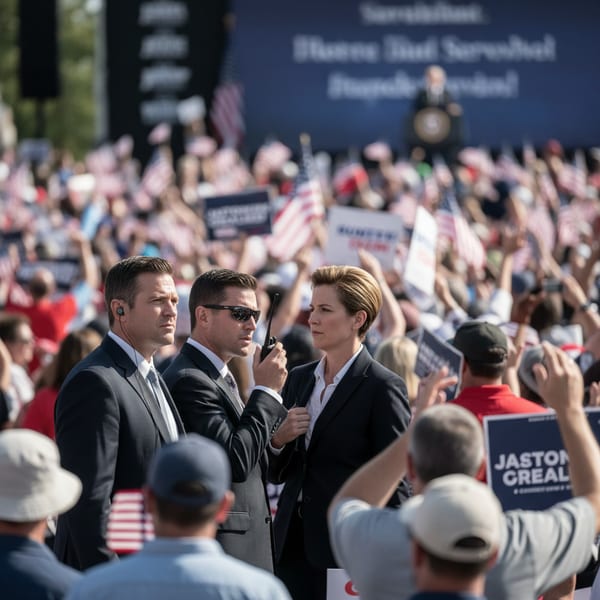
Thomas Crooks opened fire on Donald Trump during a Pennsylvania campaign rally in 2024, launching what would become one of the most contested events in recent American political history. The shooting immediately fractured into competing narratives across social media platforms, with Americans divided over what actually happened. Three primary theories emerged: Democratic operatives planned the attack, Republicans staged the event for political gain, or deep state actors attempted a coup against the former president.
Survey data revealed the stunning reach of these conspiracy theories. Researchers documented that 41% of respondents had encountered claims blaming Democratic operatives for the shooting. Even more concerning, approximately one-third of those exposed considered the theory credible. Security lapses at the rally provided fuel for speculation, with critics questioning how Crooks accessed his position and why protective measures failed. Social media algorithms amplified these questions into full-blown alternative explanations that spread faster than official investigations could counter them.
Social Networks Drive Belief
Academic studies identified social networks and online exposure as the primary drivers of conspiracy theory adoption. Americans who spent more time on certain platforms showed higher rates of belief in alternative explanations for the shooting. The research demonstrated how personal networks and digital echo chambers reinforce fringe theories, creating parallel realities where competing versions of events gain equal weight. Official explanations struggled to penetrate these information silos, even as investigators worked to establish facts about the attack and security failures that enabled it.
Constitutional Questions Emerge
The conspiracy theories surrounding the Trump shooting raise fundamental questions about information integrity in American democracy. When significant portions of the population doubt official accounts of political violence, the shared reality necessary for constitutional governance erodes. Security experts warn that unresolved questions about protective failures create fertile ground for speculation, while First Amendment protections complicate efforts to counter false narratives without government overreach. The incident demonstrates how modern communication platforms can fracture public understanding of major events, leaving Americans with incompatible versions of their own political history and undermining confidence in institutions designed to protect constitutional order.