
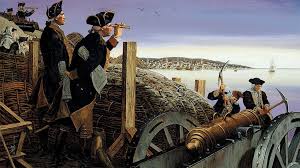
In the winter of 1775, George Washington faced an impossible situation at Cambridge that threatened to end the American Revolution before it truly began. His Continental Army surrounded British forces in Boston but lacked the artillery needed to force their surrender, while desertion rates climbed and enlistments expired. The solution came from an unlikely source and required an audacious plan that would change the course of American independence.
Washington’s Strategic Dilemma at Boston
When Washington assumed command of the Continental Army in July 1775, he inherited a tactical nightmare. His forces outnumbered British troops under General Gage by more than two to one, yet they lacked siege guns necessary to threaten British positions or naval vessels. The redcoats held Boston, resupplied continuously by their navy. American fortifications on surrounding hilltops created a stalemate. Washington could not reveal his critical shortage of arms and powder without destroying morale, yet inaction was causing wholesale desertions. With enlistment periods ending in months, the Continental Army risked complete collapse unless decisive action broke the deadlock.
The Artillery Solution That Changed Everything
Two strategic heights offered potential advantages: Bunker Hill to the north, already captured by British forces at terrible cost, and Dorchester Heights southeast across the bay, which remained uncontested. Neither side initially fought for Dorchester Heights because General Gage feared further casualties after Bunker Hill losses, while Washington lacked artillery to exploit the superior position. The Continental commander understood that placing heavy guns within effective range of British defenses and shipping would force immediate evacuation. Henry Knox emerged as the providential character Washington needed, ready to solve the seemingly impossible logistics of acquiring and transporting sufficient artillery pieces across winter terrain to arm American positions.
Lessons for Modern Constitutional Defense
This historical moment demonstrates how determined leadership and innovative thinking overcame superior enemy resources during our founding struggle. Washington’s understanding that defensive positions required adequate armament to deter aggression reflects principles embedded in the Second Amendment. Knox’s willingness to attempt what others deemed impossible exemplifies the American spirit of self-reliance and resourcefulness that built our republic. The episode reminds modern patriots that constitutional liberties require both strategic wisdom and the courage to act decisively when freedom hangs in the balance, lessons as relevant today as in 1775.