
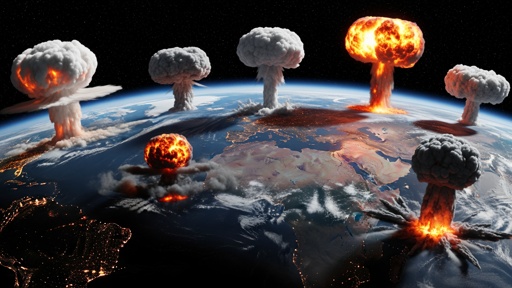
The Trump administration’s decisive military action against Iran’s nuclear weapons program has eliminated key underground facilities and degraded Tehran’s missile capabilities by half, but the Iranian regime’s threats to strike Israel’s Dimona nuclear site have put the region on the brink of potential nuclear catastrophe.
Trump Administration Eliminates Iranian Nuclear Threat
President Trump authorized coordinated strikes with Israel beginning February 28 to dismantle Iran’s nuclear weapons program after years of Iranian deception and weapons development. The operation targeted Minzadehei, an underground covert nuclear weapons site northeast of Tehran where Israeli intelligence tracked Iranian nuclear scientists. Strikes also devastated the Natanz enrichment facility, Isfahan’s nuclear complex housing the weapons program’s administrative arm, and uranium conversion buildings critical to bomb-making capabilities. This represents the first coordinated campaign targeting Iranian nuclear weapons infrastructure since the failed Obama-era nuclear deal allowed Tehran to advance its atomic ambitions.
🇺🇸 If the United States and Israel continue striking the Bushehr nuclear power plant in Iran, radiation could threaten the entire Middle East.
Dubai and the United Arab Emirates would be at risk of radioactive contamination. https://t.co/wn3FSOHgdY pic.twitter.com/Um6jReH7Zh
— Russian Market (@runews) March 18, 2026
Coalition Cripples Iranian Military Capabilities
US forces destroyed the Imam Ali Missile Base storing Shahab-3 ballistic missiles and the Bid Ganeh facility housing medium-range missiles in Tehran Province. Coalition airstrikes eliminated the IRGC’s main solid missile fuel production center, ten Intelligence Ministry command centers, and IRGC Quds Force facilities responsible for regional terrorism. By March 1, US officials assessed that approximately half of Iran’s missile launchers had been destroyed, significantly limiting the regime’s ability to coordinate large-scale attacks. The degradation of Iranian air defenses enabled deeper penetration strikes against previously protected targets, demonstrating American military superiority after years of Biden-era restraint.
Iranian Regime Threatens Nuclear Retaliation
The IRGC issued alarming statements on March 10 declaring that “monster missiles” with warheads exceeding one ton are aimed directly at Israel’s Dimona nuclear research facility. Iran filed formal complaints with the International Atomic Energy Agency while promising a “catastrophic response” to continued strikes. The regime escalated attacks on regional allies, targeting the UAE’s Jeb Ali power complex on March 1 and attempting to strike Saudi Arabia’s Ras Tan oil refinery on March 2. These actions demonstrate the Iranian regime’s willingness to threaten civilian nuclear infrastructure and destabilize global energy markets when facing military consequences for their nuclear weapons program.
International Concerns Over Nuclear Safety
Russia’s state nuclear corporation Rosatom suspended construction at Bushehr Nuclear Power Plant and evacuated non-essential personnel after losing communication with Iranian officials due to the proximity of strike zones just 12 kilometers away. The IAEA urged restraint while monitoring potential radiological risks from strikes near nuclear facilities. Andrea Stricker of the Foundation for Defense of Democracies assessed that the campaign underscores American and Israeli determination to eliminate Iran’s remaining pathways to nuclear weapons. Independent satellite imagery from the Institute for Science and International Security confirmed substantial damage at Natanz, Mojdeh, and Minzadehei facilities, validating the operation’s effectiveness in dismantling weapons infrastructure.
'Major nuclear disaster' could be on the horizon as Iran hit in unprecedented strikehttps://t.co/RKV1vliBiZ pic.twitter.com/2a2UEeqt10
— Daily Star (@dailystar) March 19, 2026
The Trump administration’s strategy reflects a fundamental shift from previous failed diplomatic approaches that allowed Iran to advance its nuclear program while funding terrorism across the Middle East. By targeting covert facilities like Minzadehei that the Iranian regime attempted to hide from international inspectors, American intelligence demonstrated capabilities that will deter future weapons development efforts. The degradation of Iranian missile capabilities protects American allies including Israel, Saudi Arabia, and the UAE from Tehran’s destabilizing aggression that flourished during years of weak leadership.
Sources:
Iran Update Evening Special Report March 2 2026 – Critical Threats
US-Israeli Strikes Hit Iran’s Missile, Nuclear, Political and Repression Sites – Long War Journal
Iran Update Morning Special Report March 2 2026 – Institute for the Study of War
UN Nuclear Watchdog Urges Restraint Amid Iran Strikes – UN News