
A federal judge’s injunction has paused vital border security work in Texas’ Big Bend, despite a lawful waiver and a limited, roads-and-tech plan from the administration.
Story Highlights
- A judge issued a temporary block on Big Bend border-barrier activity, halting work mid-plan.
- The Department of Homeland Security holds a Texas-wide legal waiver to speed barrier and road projects.
- Customs and Border Protection says the plan focuses on roads, sensors, and limited vehicle barriers, not a 30-foot wall.
- The government told the court it was refining siting to reduce impacts before ground work began.
Judge’s Order Freezes Limited Border-Security Work
U.S. District Judge Kathleen Cardone temporarily blocked border-barrier activity in Big Bend, including national park areas and nearby lands. The order pauses work while lawsuits move ahead, a standard step that does not decide the final outcome. The pause affects an approach that the administration had framed as targeted, not a sweeping wall through the parks. For border communities facing repeat smuggling and trespass, the ruling delays physical improvements meant to help agents cover long, rugged miles efficiently.
Plaintiffs claimed the plan would damage fragile habitats and historic and cultural resources, and they argued the region is not an area of high illegal entry. The court found enough dispute to halt work while it reviews the case. That interim stop allows more hearings but also leaves gaps in coverage where terrain and distance already strain manpower. The ruling follows months of shifting public claims about what was happening on the ground, fueling confusion and concern among residents and visitors.
Administration’s Legal Waiver and Narrow Project Scope
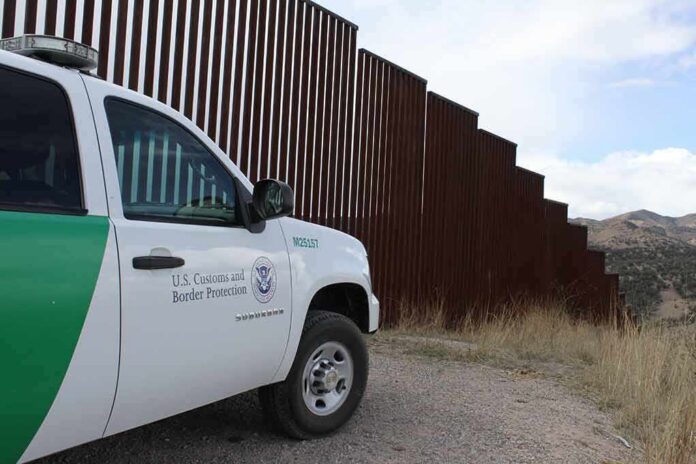
The Department of Homeland Security issued a Texas border waiver on July 2, 2026, to speed construction of barriers and roads where needed, as allowed by federal law. The notice states the Secretary determined a waiver was necessary to ensure expeditious work in the border vicinity. Customs and Border Protection later clarified the Big Bend plan: one new access road, road upgrades, detection technology, and limited, strategic vehicle barriers. The agency said it was not building a 30-foot wall or stadium lights through Big Bend National Park or adjacent state-managed lands.
Customs and Border Protection emphasized that people in the park area were seeing survey and design activity, not wall construction. The agency said design choices aimed to support patrol access and sensor coverage rather than impose a continuous wall across sensitive terrain. That engineering approach matches prior efforts to blend roads, mobile surveillance, and low-profile vehicle barriers where river bends, canyons, and floodplains complicate standard wall segments. Officials presented the plan as a practical fit for Big Bend’s long distances and tough ground.
Court Filings Show Ongoing Design Refinements
Government filings described continuing adjustments to siting, scope, and methods to reduce environmental and cultural impacts before any ground-disturbing work started. The filings projected a final decision the first week of October, signaling that survey and design were still active steps, not the end state. That timeline undercuts claims of a rush to pour concrete across park vistas. It also shows the administration trying to balance speed with site-specific caution, using the waiver to move faster while still fine-tuning alignments.
Contracting moved in parallel, with a $1.7 billion award funding Big Bend–related work. Customs and Border Protection said those funds cover vehicle barriers, surveillance technology, and patrol roads rather than a traditional wall inside Big Bend National Park. The investment indicates a systems approach: better access, better sensors, and selected obstacles to stop vehicle incursions. That mix is designed to extend the reach of limited agents across a vast zone where response time and terrain can make the difference between an interception and a clean escape.
Security Stakes Versus Litigation Claims
Customs and Border Protection tied the Texas program to areas with historic high illegal entry, focusing resources where crossings and smuggling attempts have challenged agents most. Critics countered that Big Bend is different, pointing to low share numbers. Those debates will play out in court. What is clear now is that the injunction slows practical security upgrades while claims are tested. For communities that value law, order, and safe parks, delay means cartels and coyotes keep their time advantage along rough river stretches.
Judge Kathleen Cardone halted border-wall construction in Texas' Big Bend Friday — a preliminary injunction blocking 'ground-disturbing activities' while the lawsuit over its environmental-law waivers plays out. The first courtroom stop for the $46B barrier effort.
— Frontier Signal (@FrontierSigHQ) October 3, 2026
The conservative case rests on three facts. First, the Department of Homeland Security has a lawful waiver tailored to Texas border work. Second, Customs and Border Protection’s stated plan is not a towering wall through treasured parkland; it is roads, sensors, and limited vehicle barriers aimed at real choke points. Third, the government showed it was refining routes to cut impacts before digging. Those points align with common-sense security: fix access, see farther, respond faster, and do it with respect for the land.
Sources:
nypost.com, federalregister.gov, cbp.gov, cbsaustin.com, clickorlando.com, cnn.com