
Political Pressure Mounts on State Prosecutors
State prosecutors across the United States are finding themselves at the center of an intensifying storm of political pressure, as their decisions in high-profile cases increasingly draw scrutiny from elected officials, advocacy groups, and the public. This growing trend raises important questions about prosecutorial independence, the separation of powers, and the fundamental principles of the American justice system.
The Expanding Scope of Prosecutorial Responsibility
State prosecutors, also known as district attorneys or state’s attorneys depending on jurisdiction, have traditionally operated with considerable discretion in deciding which cases to pursue, what charges to file, and how to allocate limited resources. This prosecutorial discretion has long been considered essential to the fair administration of justice, allowing prosecutors to consider the unique circumstances of each case and community.
However, as certain criminal justice issues have become increasingly politicized, prosecutors find themselves navigating a complex landscape where legal decisions are subject to political interpretation and public opinion. The rise of social media and 24-hour news cycles has amplified this pressure, turning local prosecutorial decisions into national flashpoints within hours.
Sources of Political Pressure
The political pressure on state prosecutors emanates from multiple directions, creating a challenging environment for these legal professionals to maintain their independence and fulfill their constitutional duties.
- Executive branch officials, including governors and state attorneys general, may attempt to influence prosecutorial decisions through public statements or behind-the-scenes communications
- Legislative bodies have increasingly used their oversight powers and budgetary authority to signal displeasure with prosecutorial policies
- Political parties and partisan organizations frequently mobilize supporters to demand specific prosecutorial actions or outcomes
- Advocacy groups from across the political spectrum apply pressure through organized campaigns, protests, and media appearances
- Local elected officials may weigh in on cases that capture public attention, particularly when they involve controversial issues
High-Profile Cases Intensify Scrutiny
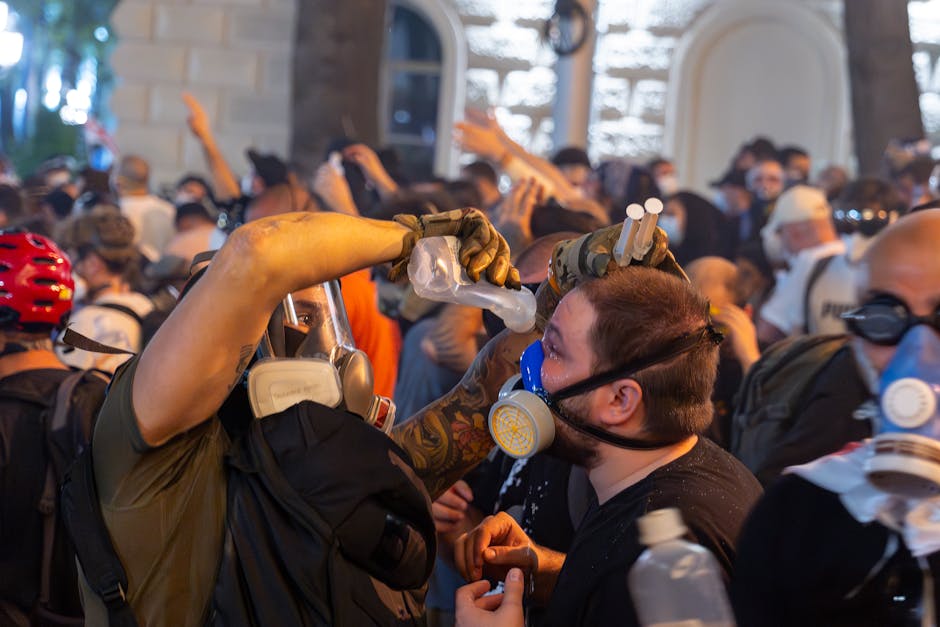
Several categories of cases have proven particularly susceptible to political pressure in recent years. These include officer-involved shootings, election-related investigations, public corruption cases, protests and civil unrest, and enforcement decisions related to controversial laws. When these cases arise, prosecutors often face competing demands from different constituencies, each insisting that their preferred outcome represents true justice.
The challenge becomes especially acute when prosecutors are tasked with investigating or charging politically connected individuals or addressing crimes that have become symbolic of broader social movements. In these situations, any decision—whether to prosecute or decline prosecution—is likely to generate significant political backlash from one side or another.
The Politicization of Prosecutorial Elections
Most state prosecutors are elected officials, which creates an inherent tension between their role as impartial administrators of justice and their need to maintain public support for reelection. This dynamic has become more pronounced as prosecutorial elections have attracted increased attention and funding from national political organizations and ideological groups.
In recent election cycles, contests for district attorney and state’s attorney positions have become proxy battles for larger policy debates about criminal justice reform, public safety, and the appropriate scope of law enforcement. Outside spending in these races has surged, with political action committees and advocacy organizations investing millions of dollars to support or oppose candidates based on their prosecutorial philosophies.
Impact on Prosecutorial Independence
The mounting political pressure threatens to undermine prosecutorial independence, a cornerstone of the American legal system. When prosecutors make decisions based on political considerations rather than legal merits, it can lead to several troubling consequences:
- Erosion of public confidence in the fairness and impartiality of the justice system
- Inconsistent application of the law based on the political climate rather than legal standards
- Reluctance to pursue difficult but necessary cases that might prove politically unpopular
- Increased vulnerability to accusations of bias and selective prosecution
- Damage to the credibility of the entire prosecutorial profession
Professional and Ethical Considerations
Legal ethics rules and professional standards provide some protection for prosecutorial independence. The American Bar Association’s Model Rules of Professional Conduct emphasize that prosecutors have a special responsibility to seek justice rather than merely secure convictions. These rules explicitly state that prosecutors should not be influenced by political considerations in making charging decisions.
However, these ethical guidelines offer limited practical protection when prosecutors face intense political pressure from multiple sources. Professional organizations have increasingly called for stronger institutional safeguards to protect prosecutorial decision-making from inappropriate political influence.
Responses and Reform Efforts
Various stakeholders have proposed reforms to address the growing problem of political pressure on state prosecutors. Some jurisdictions have explored the creation of independent review boards to evaluate high-profile prosecutorial decisions. Others have advocated for clearer guidelines distinguishing appropriate public accountability from improper political interference.
Legal scholars and practitioners have also emphasized the importance of public education about the proper role of prosecutors and the dangers of excessive politicization. Many argue that the public needs a better understanding of prosecutorial ethics and the importance of allowing prosecutors to make decisions based on evidence and law rather than political expediency.
Looking Forward
As political polarization continues to intensify across American society, the pressure on state prosecutors shows no signs of abating. The challenge for the legal system is to preserve prosecutorial independence while maintaining appropriate democratic accountability. Finding the right balance will be essential to ensuring that the justice system remains fair, impartial, and worthy of public trust.
The resolution of this tension will likely require ongoing dialogue among legal professionals, elected officials, and the public about the proper boundaries between politics and prosecution, and a renewed commitment to the principle that justice should be administered without fear or favor, regardless of political considerations.