
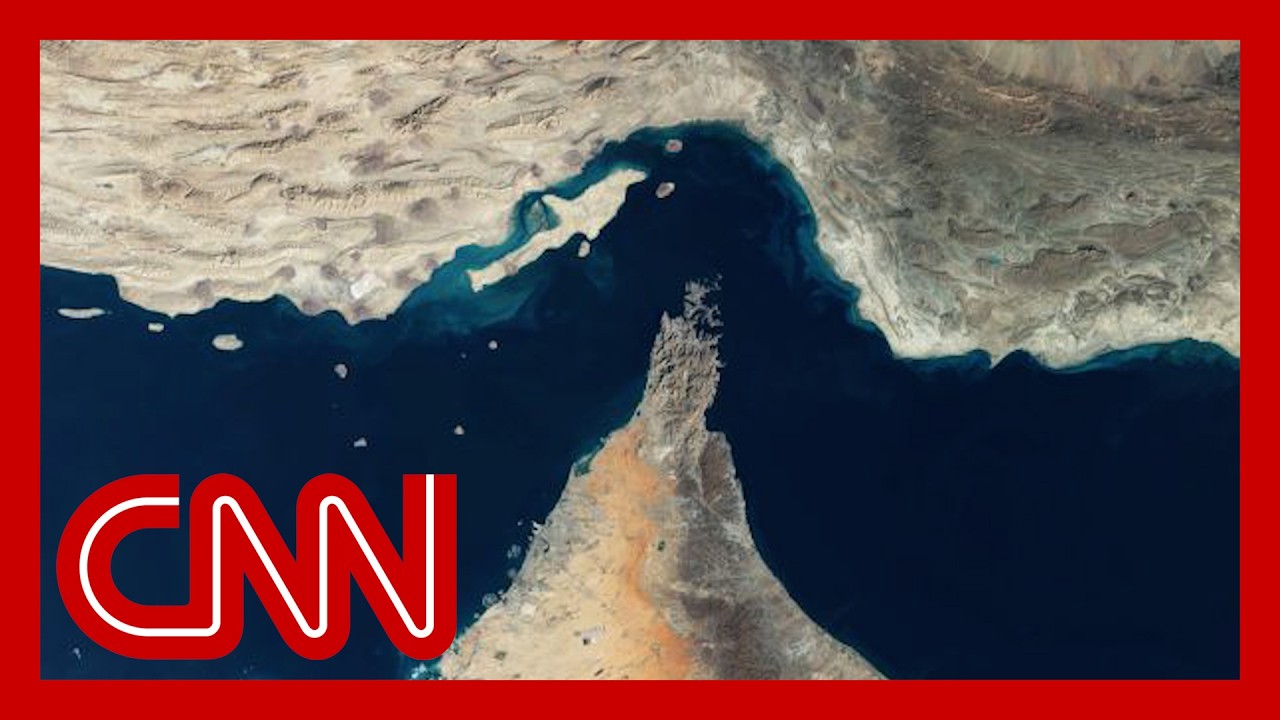
Iran’s effective blockade of the Strait of Hormuz has disrupted 20% of global oil and natural gas shipments, sending fuel prices soaring worldwide and forcing American allies to implement emergency rationing measures since late February 2026.
Strategic Chokepoint Under Siege
The Strait of Hormuz, a narrow waterway connecting the Persian Gulf to the Arabian Sea, measures just 21 miles wide at its narrowest point. About 20 million barrels of oil pass through daily, representing nearly $600 billion in annual energy trade. Major suppliers including Saudi Arabia, Kuwait, Qatar, Iraq, and the United Arab Emirates depend on this corridor to reach global markets, making it vital to American energy security and economic interests.
Since the United States and Israel conducted military operations against Iran on February 28, Iranian forces have deployed drones, missiles, and fast attack boats to threaten commercial vessels. The BBC verified 20 attacks on merchant ships by March 20. Roughly 3,000 ships normally transit the strait monthly, but traffic has dropped dramatically as insurance costs skyrocket and shipping companies refuse the risk.
Economic Fallout Spreads Globally
The blockade impacts more than oil. One-third of global fertilizer exports normally pass through the strait, threatening food production costs for American farmers. The waterway also carries 20% of worldwide liquefied natural gas shipments, primarily from Qatar. Energy price volatility remains significantly above pre-conflict levels, straining household budgets and business operations across the United States.
Asian nations face severe disruption, with governments ordering remote work, shortened work weeks, and early university closures to conserve fuel supplies. Slovenia became the first European Union member to implement fuel rationing. In Africa, South Sudan and Mauritius restricted electricity consumption. China, which purchases 90% of Iranian oil exports, faces production challenges that could increase consumer prices worldwide.
Peace Negotiations Stalled
American negotiators proposed a 15-point peace plan requiring Iran to reopen the strait as a precondition for ending hostilities. However, Iran’s foreign minister declared Wednesday the country has no current intention to negotiate with the United States. The standoff threatens not only regional stability but also American economic interests and the financial security of working families facing higher energy costs at home.