
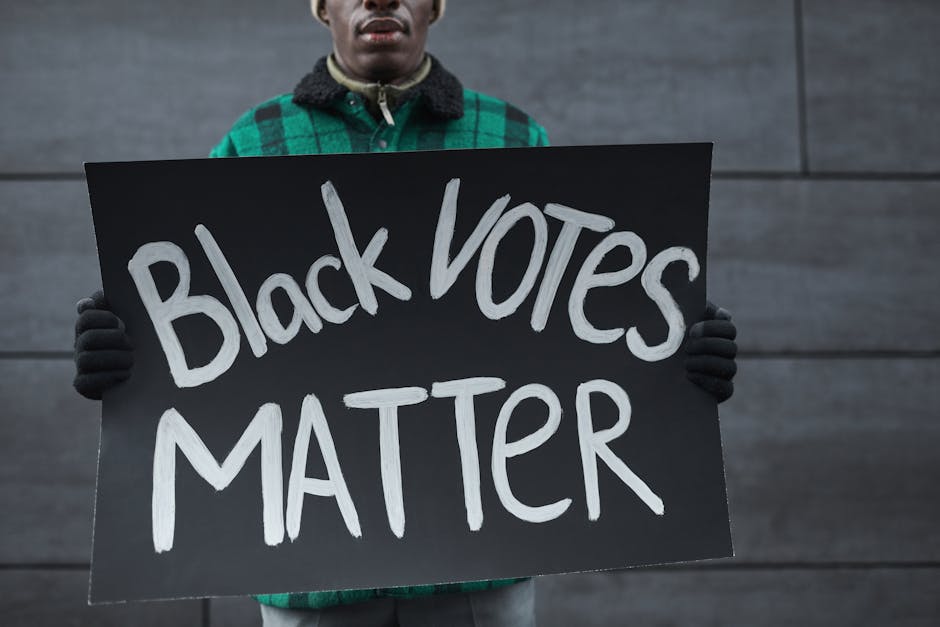
How Minorities Are Reshaping the Political Landscape
The demographic transformation occurring across many Western democracies is fundamentally altering the political landscape in ways that will reverberate for generations. As minority populations grow in size and political engagement, their influence on electoral outcomes, policy priorities, and party platforms has become increasingly significant. This shift represents not merely a change in voting patterns, but a comprehensive reimagining of political discourse, coalition-building, and governance itself.
The Demographic Revolution
The numbers tell a compelling story. In the United States, minority populations are projected to become the collective majority by 2045, with Hispanic, Asian, and Black communities driving much of this growth. Similar demographic shifts are occurring throughout Europe, Canada, and other developed nations, where immigration and varying birth rates are transforming the ethnic and cultural composition of electorates.
This demographic evolution carries profound political implications. Minority voters, who historically participated in elections at lower rates than white voters, have steadily increased their turnout and engagement. In recent election cycles, minority communities have demonstrated their capacity to determine outcomes in closely contested races, particularly in diverse urban centers and increasingly in suburban areas where demographic change has been most pronounced.
Shifting Electoral Coalitions
Political parties have been forced to reconsider long-held assumptions about their base constituencies and electoral strategies. The traditional coalitions that sustained political movements for decades are being reconfigured as minority voters assert their priorities and refuse to be taken for granted by any party.
This recalibration has manifested in several ways:
- Increased investment in multilingual outreach and culturally competent campaign strategies
- Greater attention to issues disproportionately affecting minority communities, including immigration reform, criminal justice, and healthcare access
- Rising numbers of minority candidates running for and winning elected office at all levels of government
- More nuanced understanding of diversity within minority communities, recognizing that these groups are not monolithic voting blocs
Policy Priorities Taking Center Stage
As minority communities gain political leverage, issues that have long been marginalized in mainstream political debate are moving toward the center of policy discussions. Immigration reform, once considered politically toxic, has become unavoidable as Latino voters flex their electoral muscle. Criminal justice reform gained unprecedented bipartisan support partly due to sustained advocacy from Black communities and their allies. Healthcare access, education equity, and economic justice have all received renewed attention as minority voters demand accountability from elected officials.
The intersectionality of these issues has also become more apparent in political discourse. Minority voters often experience multiple, overlapping challenges related to race, class, and immigration status, leading to more sophisticated policy proposals that address systemic inequities rather than isolated problems. This holistic approach has enriched political debate and forced policymakers to think more comprehensively about solutions.
Representation and Political Leadership
Perhaps the most visible manifestation of minority political influence is the increasing diversity of elected officials. From local school boards to national legislatures, minority candidates are winning elections and bringing new perspectives to governance. This representation matters not only symbolically but practically, as diverse leadership tends to prioritize different issues and bring unique experiences to policymaking.
The election of minority officials has also changed the nature of political institutions themselves. Legislative bodies are grappling with how to be more inclusive and culturally responsive. Committee structures, procedural norms, and institutional cultures are evolving to accommodate a more diverse membership. This transformation extends beyond individual politicians to encompass staff, advisors, and the entire political ecosystem.
Challenges and Resistance
The growing political influence of minorities has not proceeded without resistance. Efforts to restrict voting access through stricter identification requirements, limited early voting, and polling place closures have disproportionately affected minority communities. Redistricting processes have sometimes been used to dilute minority voting strength through gerrymandering. These obstacles represent ongoing challenges to full political participation and equal representation.
Additionally, minority communities themselves face internal debates about political strategy and priorities. Generational divides, socioeconomic differences, and varying levels of acculturation create diversity of opinion within racial and ethnic groups. Political parties and advocacy organizations must navigate these complexities while building broad coalitions.
The Future of Political Engagement
Looking ahead, the influence of minority voters will only continue to grow. Younger generations are significantly more diverse than their elders, ensuring that demographic trends will persist. As these younger voters reach full political engagement, their priorities and perspectives will further reshape the political landscape.
Technology and social media have also empowered minority communities to organize, mobilize, and amplify their voices in unprecedented ways. Grassroots movements can now achieve national prominence rapidly, forcing political establishments to respond to demands for change with greater urgency.
Conclusion
The reshaping of the political landscape by minority communities represents one of the most significant democratic developments of our time. This transformation extends beyond simple electoral calculations to encompass fundamental questions about representation, justice, and the nature of political community itself. As demographics continue to evolve, political institutions, parties, and leaders must adapt to remain relevant and responsive. The result will be a more inclusive, dynamic, and representative democracy that better reflects the diversity of the populations it serves. Success in this endeavor requires sustained commitment to expanding political participation, addressing systemic barriers, and ensuring that all voices have meaningful influence in shaping collective futures.