

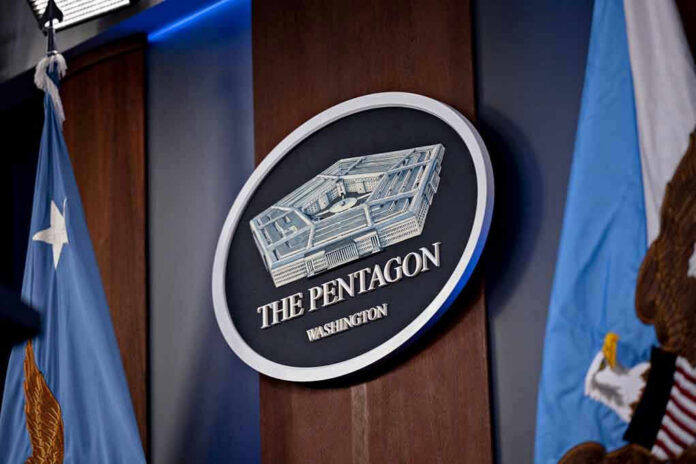
As impeachment threats mount, Secretary Pete Hegseth doubles down on Iran strikes that the administration says crippled Tehran’s nuclear program.
Story Snapshot
- Hegseth vows to fight impeachment and defends Iran war as “courageous and historic.”
- Administration says U.S. forces struck Fordow, Natanz, and Esfahan to degrade Iran’s nuclear program.
- Articles of impeachment cite alleged War Powers violations and defiance of Congress.
- Policy states Iran will never get a nuclear bomb under this administration.
Hegseth’s Pledge And Rationale For Iran Operations
Secretary of War Pete Hegseth said he will not resign and will fight any impeachment push. He called the Iran war “courageous and historic” and said the mission protected the United States from a nuclear threat. His message came as critics pressed their case on Capitol Hill and in the media. His vow set the tone: he is committed to finishing the job and standing by the troops who carried it out. The public statement framed resolve, not retreat.
Administration policy on Iran has been clear. Leaders said Iran will never obtain a nuclear weapon on their watch. That pledge shaped planning, targeting, and timing for strikes. The aim was to prevent a hostile regime from crossing a red line that would endanger Americans and allies. Supporters view that stance as common sense deterrence. They argue peace is kept by strength, not by hoping a sworn adversary changes course.
What The Military Hit And Why It Matters
The Department of War reported that United States Central Command hit the Fordow, Natanz, and Esfahan sites. Officials said the goal was to destroy or severely degrade Iran’s nuclear program. They described the operation as an “incredible and overwhelming success.” The targets matter because these sites are central to enrichment and support activity. Disrupting them reduces risk, buys time, and limits what Tehran can do quickly if it tries to sprint for a bomb.
Supporters link the strikes to a broader doctrine. They say decisive action prevents a larger, deadlier war later. They also argue the Constitution tasks the commander in chief to protect the nation from grave threats. They see the operation as a lawful, limited use of force tied to a clear objective. They point to the named facilities and the stated mission as proof of focus and restraint. They also note that deterrence failed in the past when Washington hesitated.
Impeachment Drive And The War Powers Fight
Representative Thomas Massie introduced articles of impeachment. He claims the Iran war lacked a declaration of war, lacked statutory authorization, and exceeded time limits under the War Powers Resolution. He also alleges Hegseth defied a congressional order to end hostilities. These are serious constitutional claims that would require a House vote and a two-thirds Senate conviction to remove a cabinet officer. The process was active but not final when Hegseth spoke.
US Defence Secretary Pete Hegseth vowed to fight impeachment efforts in Congress and defended the Iran war as a “courageous and historic” campaign after the midterms, Reuters… pic.twitter.com/pF0Of3RjSP
— Life News Agency (@lifenewscomx) November 6, 2026
Reporters also cited civilian harm allegations raised by critics, including a reference to a girls’ school bombing. Those claims are part of the impeachment narrative and fuel calls for accountability. The administration’s public materials emphasize target sets and mission intent but do not include independent inspection data. That gap lets opponents frame outcomes as unproven. It also shifts debate from the nuclear danger to process fights over separation of powers.
What Conservatives Should Watch Next
Congress may demand more proof. Lawmakers could seek intelligence that shows Iran’s timeline, the threat level, and why force was needed over diplomacy. They may also request legal opinions, notifications, and damage assessments. These records could settle key questions: Was there an imminent threat? How much did the strikes set Iran back? Did the executive meet legal duties while acting fast to protect Americans? Answers would clarify facts beyond politics.
For readers who back strong defense and limited government, the test is twofold. First, did the mission reduce a real threat to American lives? Second, did leaders respect the Constitution while doing it? A nation that tolerates endless process can miss closing windows of danger. A nation that ignores its checks and balances can drift into permanent war. Getting the facts on the record can defend both security and the rule of law.
The Stakes For Security, Liberty, And Accountability
President Trump’s team argues that stopping Iran’s bomb program protects families, allies, and our troops. Critics argue that even a right goal must follow the law. The path forward should not reward Iran or weaken deterrence. It should also not let Washington’s bureaucracy bury answers the public deserves. Clear evidence and lawful action are the way to keep America safe, uphold the Constitution, and avoid giving comfort to a hostile regime.
Hegseth says impeachment will fail. Massie says the charges warrant removal. The Constitution sets a process to test both claims. Until then, the facts that are public show named strikes on key nuclear sites, a policy to block a bomb, and an active fight over war powers. Conservatives can insist on two things at once: finish the mission against real threats, and show the receipts to Congress and the people who sent them there.
Sources:
youtube.com, npr.org, whas11.com, miamiherald.com, straitstimes.com