
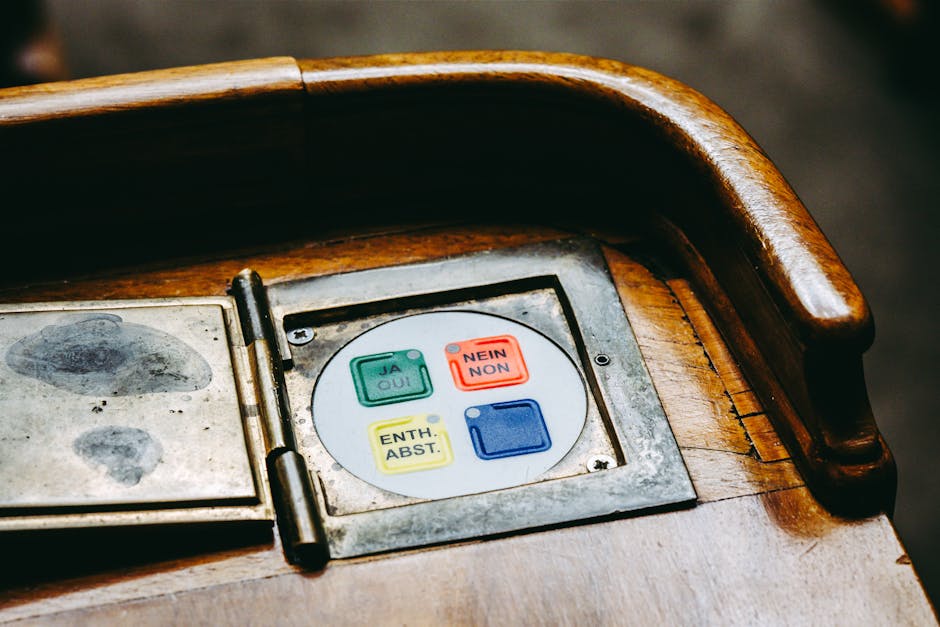
Heated Parliamentary Debate Over Controversial Remarks
Parliamentary chambers worldwide have long served as arenas for robust political discourse, where elected representatives engage in spirited debates over policies, legislation, and national interests. Recently, parliamentary sessions have witnessed particularly intense confrontations following controversial remarks made by members, sparking discussions about parliamentary conduct, freedom of speech, and the boundaries of acceptable political discourse.
The Nature of Parliamentary Controversy
Controversial remarks in parliamentary settings typically arise when members make statements that challenge established norms, question the integrity of fellow parliamentarians, or address sensitive social and political issues in provocative ways. These statements often generate immediate backlash from opposition parties and may even draw criticism from within the speaker’s own political coalition.
The impact of such remarks extends far beyond the chamber walls. In today’s interconnected world, parliamentary proceedings are broadcast live, shared on social media platforms, and analyzed extensively by news media. A single controversial statement can rapidly become a national talking point, influencing public opinion and potentially affecting legislative outcomes.
Common Triggers for Parliamentary Disputes
Several categories of remarks tend to generate the most heated parliamentary debates:
- Personal attacks on fellow members that question their character or integrity
- Statements perceived as discriminatory based on race, religion, gender, or ethnicity
- Comments about sensitive historical events or national tragedies
- Allegations of corruption or misconduct without substantive evidence
- Remarks that appear to undermine democratic institutions or constitutional principles
- Inflammatory language regarding foreign policy or international relations
Parliamentary Rules and Procedures
Most legislative bodies operate under established rules of order designed to maintain decorum and facilitate productive debate. These rules, often referred to as standing orders or parliamentary procedures, outline what constitutes acceptable and unacceptable language within the chamber.
The Speaker or presiding officer holds responsibility for enforcing these rules. When controversial remarks are made, the Speaker must quickly assess whether they violate parliamentary standards. Options available to the presiding officer typically include:
- Requesting the member to withdraw or rephrase their remarks
- Striking offensive statements from the official parliamentary record
- Issuing formal warnings or reprimands
- Suspending the member from participating in debates for a specified period
- Referring the matter to parliamentary ethics committees for investigation
The Balance Between Free Speech and Parliamentary Privilege
One of the most complex aspects of parliamentary controversy involves the concept of parliamentary privilege. This long-standing principle protects members from civil or criminal liability for statements made during official proceedings, allowing them to speak freely without fear of lawsuits or prosecution.
However, parliamentary privilege is not absolute. Members remain bound by the rules of their respective chambers, and privilege does not extend to protecting deliberately false statements, hate speech, or remarks that undermine the fundamental dignity of the institution. The tension between protecting free speech and maintaining parliamentary standards creates ongoing debate about where appropriate boundaries should be drawn.
Impact on Legislative Function
Heated debates over controversial remarks can significantly impact the functioning of legislative bodies. When parliamentary sessions descend into disorder, important legislative business may be delayed or disrupted. Opposition parties may stage walkouts or demand apologies before participating in further proceedings, effectively stalling governmental operations.
The time consumed by addressing controversial statements and the resulting disputes represents a tangible cost to taxpayers and can erode public confidence in democratic institutions. Critics argue that excessive focus on rhetorical controversies distracts from substantive policy discussions and reduces the effectiveness of parliamentary oversight.
Public Reaction and Political Consequences
The public response to controversial parliamentary remarks varies considerably depending on the political climate, the nature of the statements, and existing partisan divisions. In some cases, controversial remarks galvanize support among a member’s political base, who may view the statements as refreshingly candid or as challenging political correctness.
Conversely, controversial remarks often lead to significant political fallout. Members may face:
- Censure motions from opposition parties
- Pressure from party leadership to apologize or resign
- Loss of committee positions or parliamentary responsibilities
- Damage to electoral prospects in future campaigns
- Investigations by ethics committees or standards commissioners
Media Coverage and Social Amplification
Modern media dynamics have transformed how parliamentary controversies unfold and resonate with the public. News organizations rapidly disseminate controversial remarks, often providing extensive commentary and analysis. Social media platforms amplify these controversies, with clips of heated exchanges frequently going viral and generating millions of views.
This media environment creates both opportunities and challenges. While increased transparency allows citizens to observe their representatives in action, the focus on controversial soundbites may distort public understanding of complex policy debates and incentivize performative rather than substantive parliamentary participation.
International Perspectives
Parliamentary controversies are not unique to any single country. Legislative bodies across democratic nations regularly grapple with managing heated debates and controversial remarks. Different parliamentary traditions have developed varying approaches to addressing these situations, from the famously raucous Prime Minister’s Questions in the United Kingdom to more restrained proceedings in other jurisdictions.
Comparative analysis reveals that while the specific triggers and cultural contexts differ, the fundamental challenges remain consistent: balancing free expression with institutional dignity, ensuring productive debate while allowing robust disagreement, and maintaining public confidence in democratic processes.
Moving Forward
As political polarization intensifies in many democracies, parliamentary bodies continue to wrestle with establishing and enforcing standards for acceptable discourse. The challenge lies in preserving the vigor and authenticity of democratic debate while preventing the deterioration of parliamentary institutions into venues for personal attacks and inflammatory rhetoric. The ongoing evolution of these standards will shape the quality of democratic governance for generations to come.