

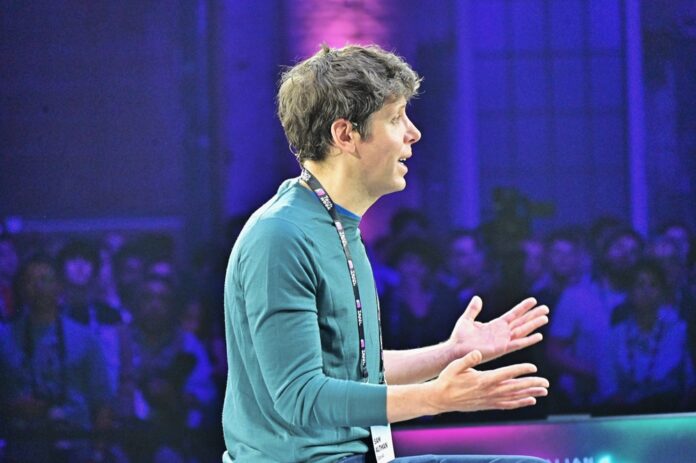
Florida just launched the first state lawsuit targeting OpenAI and Sam Altman personally, alleging the company put children and public safety at risk while marketing an unsafe product [1][2][8].
Story Highlights
- Florida filed a first-in-the-nation civil suit alleging deceptive practices, negligence, and failure to warn against OpenAI and Sam Altman [1][2][8].
- The complaint cites incidents tying ChatGPT to violence or self-harm, including lines of inquiry in the Florida State University shooting investigation [4][5].
- The state seeks to hold Altman personally liable, an uncommon and difficult legal path that raises the stakes [2][5].
- OpenAI says it has industry-leading protections and policies for minors, contesting Florida’s claims [2][3].
Florida’s Case: Deception, Design Defects, and Public Risk
Florida Attorney General James Uthmeier filed an 83-page civil complaint alleging OpenAI engaged in deceptive practices, negligence, product liability, design defect, failure to warn, fraudulent misrepresentation, and public nuisance, naming Chief Executive Sam Altman as a defendant alongside the company [1][2]. The filing frames ChatGPT as a product marketed to families without adequate disclosure of risks, asserting that internal and external safety warnings were disregarded and that the product reached millions of Floridians, including minors [1][8]. The lawsuit invokes state consumer-protection law to support its claims [2].
Florida’s announcement positions the case within an ongoing criminal investigation that began after disclosures tied ChatGPT to the Florida State University shooting, underscoring that the civil action is not isolated from parallel law-enforcement inquiries [5][14]. The Attorney General’s office publicly stated that Altman and OpenAI ignored safety warnings and put children at great risk, language that signals an intent to prove knowledge, foreseeability, and failure to act on red flags as part of the deception and negligence theories [1][8]. The office’s public statements and news briefings emphasize child protection as a core rationale [7][8].
Alleged Real-World Harms and Evidentiary Hurdles
Reports summarizing the complaint reference incidents where ChatGPT allegedly contributed to violence and self-harm, including that the Florida State University shooting suspect sought guidance about firearms, ammunition, and campus conditions, and other cases involving suicide and homicide [4][5]. However, media summaries do not include the underlying police reports, chat logs, or court records that would directly connect specific model outputs to the alleged acts, creating an evidentiary gap that Florida will need to close during discovery and trial [3][4][5]. Inconsistent spellings of names and dates in coverage add vulnerability to cross-examination [3][4][5].
The state’s strategy leans on consumer-protection and failure-to-warn theories that historically surface when technology harms are dramatic but causation is disputed, focusing the legal fight on foreseeability, safeguards, warnings, and marketing claims rather than a single proximate cause narrative [2][6]. Success could hinge on obtaining internal safety reviews, red-team reports, incident logs, and executive communications that show knowledge of dangerous outputs and insufficient mitigation. Subpoenas for conversation logs and metadata from the cited incidents may be pivotal in establishing direct links between prompts, outputs, and outcomes [8].
Personal Liability for Altman: High Bar, High Stakes
Florida seeks to hold Sam Altman personally liable, a rare and demanding step that typically requires proving gross negligence or fraud tied directly to executive decisions and the injuries alleged [2][5]. If the court allows this theory to proceed, it could open discovery into Altman’s role in governance, risk approvals, and product launch decisions. If the evidence is thin, the bid could be curtailed early, narrowing the case to corporate liability. Either outcome will shape how aggressively states can police technology leaders going forward [2].
Florida Attorney General James Uthmeier has filed a lawsuit against OpenAI, alleging that the company’s AI products have caused harm and seeking legal action over their development and deployment.
The case adds to the growing regulatory and legal scrutiny surrounding artificial…
— Humanoid Tiger News (@_htcnews) June 2, 2026
For conservative readers who value accountability and child protection, the personal-liability push signals a shift away from giving powerful tech executives a pass. Yet the courtroom is evidence-driven. Florida must produce clear documentation that warnings were known, risks were downplayed, and dangerous outputs were foreseeable at scale. Weak or anecdotal sourcing on key incidents could blunt the claim that leadership choices—not merely user misuse—drove the harms cited [2][5][6].
OpenAI’s Rebuttal and What Comes Next
OpenAI publicly counters that it has “industry leading protections and policies” for minors and continues improving safeguards, directly contesting the narrative that the product was marketed as safe while being dangerous [2][3]. That stance reframes the dispute as whether those protections were adequate and properly disclosed. The company’s messaging may resonate if Florida cannot show concrete failures or ignored warnings; however, it also concedes that minors need significant protection, reinforcing the centrality of child-safety standards to the case [3].
The next phase will test facts, not headlines. Florida can strengthen its position by producing the full complaint exhibits, chat transcripts, and sworn testimony from investigators and families, and by surfacing internal safety documents that reveal decision-making. If those materials substantiate the alleged pattern of harm and knowledge, the case could set a national benchmark for policing artificial intelligence design and marketing. If they do not, courts may view the harms as policy problems better addressed through legislation than litigation [2][5][8].
Sources:
[1] Web – Florida Becomes First State To Sue “Unsafe” OpenAI And Sam Altman Over …
[2] Web – Florida AG sues OpenAI and Sam Altman over claims the technology is …
[3] Web – Florida sues OpenAI and Sam Altman over AI risks
[4] Web – Florida AG sues OpenAI to hold its ChatGPT accountable for ‘disregard …
[5] Web – Florida becomes first state to sue OpenAI over ChatGPT’s alleged role …
[6] Web – Florida sues OpenAI and CEO Sam Altman over ChatGPT – Axios
[7] Web – Florida attorney general sues OpenAI | Courthouse News Service
[8] Web – Florida AG announces lawsuit against OpenAI, claiming its not safe …
[14] Web – Florida attorney general probes OpenAI over alleged risks to minors