

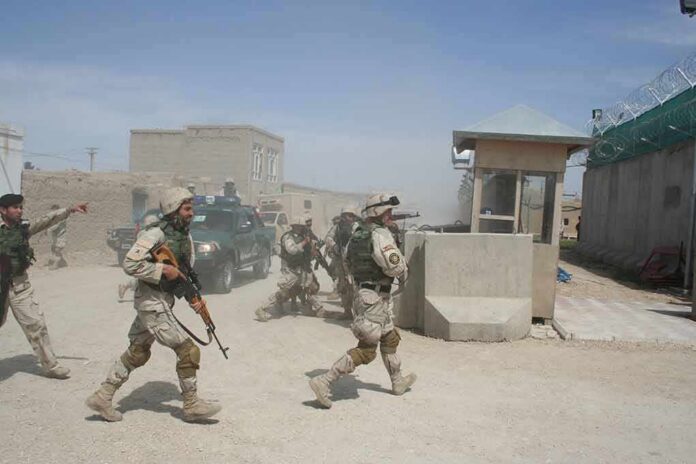
Renewed fighting in Ethiopia’s Tigray region has shattered the 2022 peace deal and raised the risk of a wider regional war, according to on-the-record reporting and official remarks.
Story Highlights
- Fresh Tigray clashes broke the Pretoria peace agreement, destabilizing Ethiopia’s north.
- Ethiopia’s president warned the escalation is the most serious challenge since 2022.
- A seven-group rebel alliance says it aims to topple the federal government.
- Analysts warn the conflict could pull in neighbors and disrupt Red Sea trade routes.
Renewed Tigray War Tests Fragile Peace and Federal Control
Reuters reported that fighting in Tigray has resumed, breaking the 2022 Pretoria Agreement that stopped the last war between the federal government and the Tigray People’s Liberation Front. Ethiopia’s president told the United Nations that the country had shown “immense restraint,” but called the new clashes the most serious challenge yet to that deal. These developments threaten federal control in the north and raise questions about whether the ceasefire ever addressed core disputes that fueled the last round of war.
The Pretoria pact ended large-scale battles but left deep issues unsettled. Think border disputes, disarmament, and how fighters would return to normal life. Analysts warned for over a year that a deal to stop shooting is not the same as a full peace plan. When enforcement is weak and rival forces stay intact, old fights tend to return. That is what we are seeing now, with organized units again on the move and political trust broken.
New Rebel Alliance and Accusations of Outside Backing
Coverage details a new coalition of seven armed groups formed in late September. They say their goal is to remove the federal government in Addis Ababa. That raises the stakes inside Ethiopia and complicates any talks. Some reporting cites Ethiopian claims that outside actors, including Eritrea, have bankrolled or backed parts of the armed opposition, while Eritrea and Ethiopia accuse each other of provocations along tense borders. These cross-claims highlight how quickly an internal fight can pull in neighbors.
Earlier this year, Tigray’s main party also announced plans to restore its pre-war administration, accusing the federal government of breaking the Pretoria terms by withholding funds and provoking clashes inside Tigray. That public move showed the peace framework was already under stress. Taken together, the alliance’s stated aim to unseat the government and Tigray’s complaints about broken promises point to a breakdown of trust. That breakdown narrows space for dialogue and gives hardliners more sway.
Regional Risks: Eritrea Tensions, Sudan’s War, and Red Sea Trade
The renewed fighting lands in a dangerous neighborhood. Sudan is already in civil war. Ethiopia and Eritrea have years of bad blood. Traffic to and from Red Sea ports touches energy, food, and shipping lanes that matter to the world. Reuters warned this war could spread, especially if border flare-ups multiply or if outside sponsors flood in weapons and cash. A wider fight would raise costs for trade and aid, and it would strain African Union peace efforts.
The United Nations has voiced concern and backs African Union work to calm the crisis and press for the Pretoria deal’s steps, like disarming fighters and bringing displaced families home. But pressure without security on the ground rarely holds. If roads are unsafe and commanders see gains in battle, aid convoys stall and talks fail. That is the hard truth in many ceasefires that lack teeth. Ethiopia now faces that risk in real time.
Why This Matters to Americans: Security, Costs, and Principles
Spreading conflict in the Horn of Africa can hit Americans at the gas pump and at the grocery store. Red Sea trouble can raise shipping and energy costs. A larger war can trigger refugee flows and new terror safe havens. American taxpayers often foot big bills for emergency aid and peace missions when global groups step in. Strong borders, stable trade routes, and clear rules prevent these spirals. That is why steady diplomacy, backed by strength, matters here.
#Ethiopia and #Eritrea have broken diplomatic relations as renewed fighting in northern #Ethiopia fuels fears of a wider conflict and a return to the devastating #Tigray war.https://t.co/Er2dvQ9Yvg
— The PeaceToday (@ThepeaceToday) October 2, 2026
For conservatives, the lesson is simple. Paper deals fail when they dodge the hard issues and when outside meddling fuels unrest. A sound policy keeps America from getting dragged into endless crises and focuses on concrete goals: protect vital sea lanes, push real disarmament benchmarks, and tie any aid to verifiable steps on security and governance. That approach defends our interests, respects our troops, and avoids writing blank checks for broken plans that do not deliver.
What Comes Next Inside Ethiopia
Federal leaders must decide whether to surge forces, seek talks with real enforcement, or try both. The rebel alliance will test weak points and look for outside help. Civilians will bear the brunt if the fight spreads to more towns. A narrow window still exists to freeze lines, re-open roads, and restart core Pretoria tasks with clear timelines. Without that, the map could fracture further, and the cost of stitching it back together will grow by the day.
Sources:
theamericanconservative.com, reuters.com, allafrica.com, eastleighvoice.co.ke, cfr.org, osac.gov, riotimesonline.com