
New York City’s mayor vowed to keep shielding migrants after a Supreme Court decision allowed ending protections, raising fresh alarms about respect for the rule of law.
Story Snapshot
- Mayor Zohran Mamdani said the city will keep supporting immigrants after the Court’s TPS ruling.
- City guidance urged Haitian and Syrian residents to seek legal help and not panic.
- Earlier orders tightened sanctuary rules and restricted federal access to city sites without warrants.
- Sen. John Fetterman warned that defying a Supreme Court ruling risks a constitutional crisis.
What Mamdani Announced After The Supreme Court Ruling
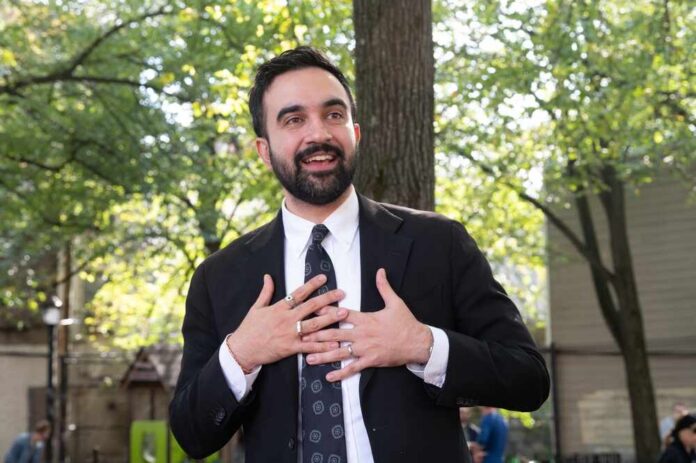
Mayor Zohran Mamdani framed the Supreme Court’s decision on Temporary Protected Status as a blow to immigrant families. His office said the ruling would hurt New York’s Haitian community and urged residents to use city legal help. The city’s immigrant-services page posted step-by-step guidance and referrals after the ruling. That guidance told people to know their rights, call hotlines, and seek attorneys before making life-changing moves. The city made clear it would keep offering support services and information to affected residents.
At a rally days later, Mamdani repeated that message. He told immigrants the Mayor’s Office of Immigrant Affairs Legal Hotline was open to answer questions and to connect callers with legal help. He stood with advocacy groups and health care workers and urged calm. He did not publish a legal memo that explains how the city would handle direct federal actions. His speech focused on city services, legal referrals, and community training, not a detailed legal plan to block federal enforcement.
Sanctuary Posture And City Policy Steps Before The Ruling
Months before the Court acted, Mamdani expanded New York City’s sanctuary posture. A February executive action told city agencies to review protocols, name privacy officers, and deliver “Know Your Rights” training. The order stated that federal immigration agents could not enter schools, shelters, or hospitals without a judicial warrant. These steps limited voluntary local help in civil immigration cases and set a strict process for data sharing. The city framed the policy as building trust and protecting access to services.
City materials describe sanctuary rules as limiting how much local agencies assist with civil deportation work. That often means not honoring detainer requests without a judicial order, keeping sensitive locations off limits without warrants, and ensuring staff training. These measures do not stop federal officers from enforcing federal law. They do show a city choosing not to spend local time or resources to help federal civil actions. That line has shaped similar fights in other places for years.
What The Supreme Court Decision Actually Changed
The Court’s action concerns the federal government’s power to end Temporary Protected Status for certain countries. Reports describe the decision as allowing the administration to proceed with ending the program for Haiti and Syria. That means some migrants could lose protection from removal unless they have another legal path. The ruling addressed federal authority, not a direct command to any city. That leaves a legal gray area about how far a city can go in response.
The public record here has gaps. The available sources do not include the Supreme Court’s full opinion or docket number text. The documents do not show Mamdani ordering city staff to violate a specific Supreme Court mandate. The city emphasized hotlines, training, and limits on local cooperation. Critics call that “defiance,” but the legal question is narrower: whether sanctuary limits cross into obstruction. Without the opinion text and clear directives, that line remains unclear in this record.
Backlash, Constitutional Concerns, And The Stakes For Cities
Sen. John Fetterman, a Democrat, warned that defying a Supreme Court ruling would be a constitutional crisis. He said Democrats should condemn any such stance. His warning gave the story national weight and cut across party lines. Conservative outlets argued that a mayor cannot override the Supreme Court. They said the city’s posture risks confusion for migrants and strain for police, schools, shelters, and courts if rules clash with federal steps.
The David Duke Standard–The Hasan Piker Exception | Larry Elder, The Daily Signal
Remember the media firestorm in 2016 when Donald Trump supposedly failed to denounce former Ku Klux Klan leader David Duke?
Trump, appearing on CNN, claimed he did not know enough about Duke to… pic.twitter.com/81l2lmjauc
— Owen Gregorian (@OwenGregorian) September 14, 2026
For conservative readers, the core issue is simple. The Constitution sets federal supremacy in immigration law. Cities can choose not to help, but they cannot nullify federal decisions. President Trump’s administration must keep federal enforcement clear, firm, and lawful. That means honoring the Court, enforcing the border, and ending policies that invite abuse of city services. New York’s approach tests the line between local discretion and federal authority. That line must favor the rule of law and public safety.
Sources:
youtube.com, nypost.com, abc7ny.com, dailysignal.com, nydailynews.com, americanbazaaronline.com, wabcradio.com