
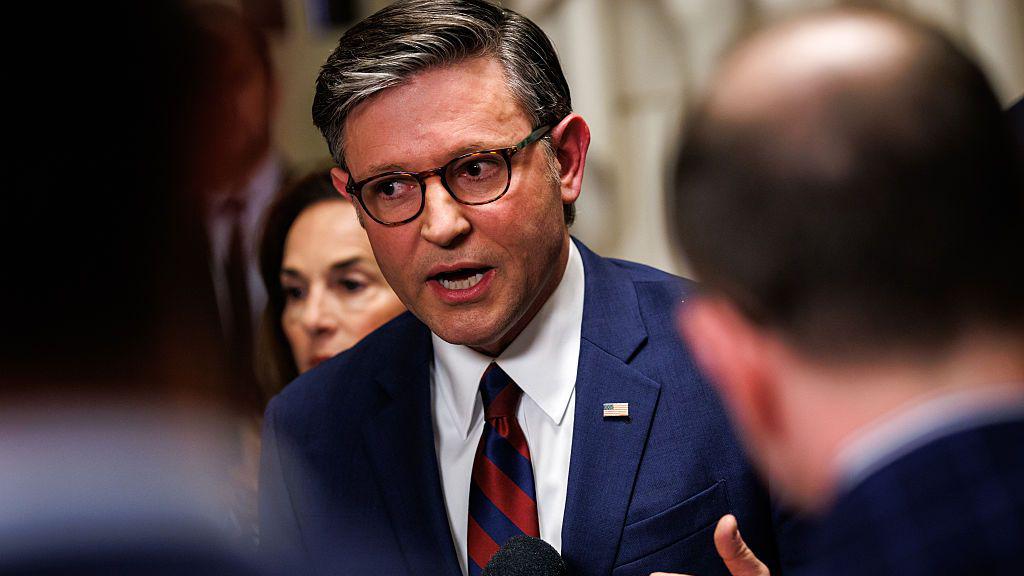
Republican congressional leaders announced a deal Wednesday aimed at ending the Department of Homeland Security shutdown that has left thousands of federal workers unpaid and caused major airport delays across the nation for more than a month.
The Two-Track Funding Strategy
House Speaker Mike Johnson and Senate Majority Leader John Thune revealed their plan will fund DHS through two separate legislative paths. The Senate will first pass a bill covering most of DHS except Immigration and Customs Enforcement and Customs and Border Protection. Those two agencies already have separate funding in place. House Republican leaders initially rejected this approach last Friday but reversed course after pressure mounted from airport chaos and unpaid workers.
The second track involves a party-line budget reconciliation bill to fund ICE and CBP for three years without Democratic support. This strategy bypasses the filibuster requirement and allows Republicans to approve immigration enforcement funding unilaterally. The timing for the reconciliation bill remains unclear, though President Trump demanded passage no later than June 1st. Democrats have refused to fund these agencies without reforms to immigration enforcement operations, creating the original impasse.
Impact on Federal Workers
The shutdown has stretched past one month, forcing Transportation Security Administration agents, Federal Emergency Management Agency staff, and civilian Coast Guard employees to work without paychecks. Trump signed an executive order last week authorizing TSA payments, but legal experts question its validity and duration. Thousands of other DHS workers continue receiving no compensation. The White House confirmed support for the Johnson-Thune compromise.
Political Fallout and Next Steps
Senate Minority Leader Chuck Schumer criticized Republicans for derailing a bipartisan agreement and causing dysfunction that harmed American families. House Minority Leader Hakeem Jeffries said House Democrats stand ready to support the bill ending the shutdown. Both chambers remain on recess until April 13, though the Senate could attempt passage as early as Thursday. The plan closely resembles the Senate’s Friday proposal that initially passed unanimously before House Republicans rejected it. Republican leadership provided no immediate timeline for the House vote.