
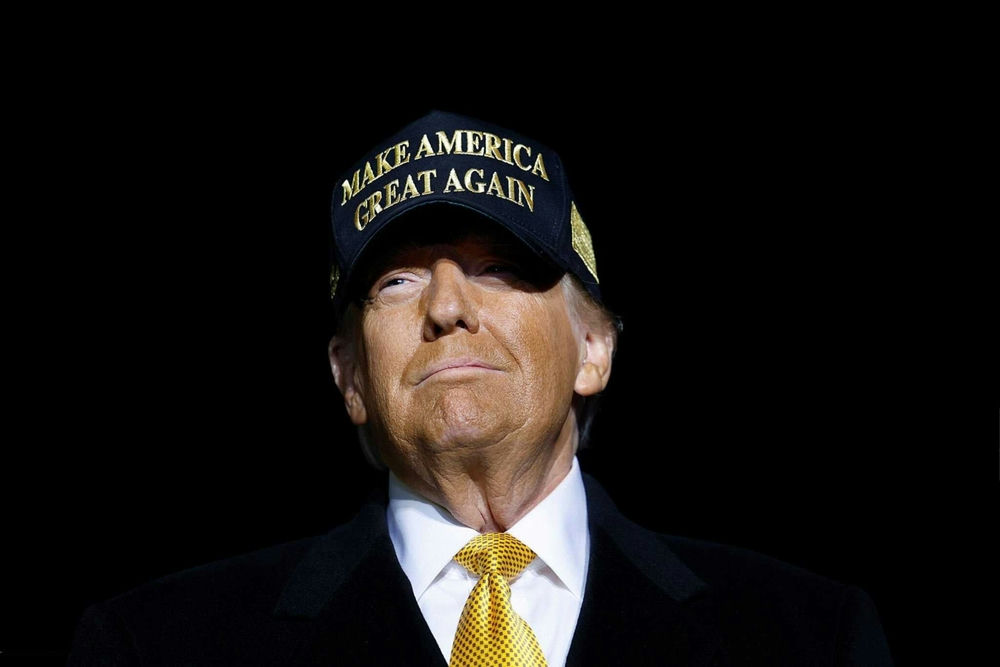
President Trump threatened to block the opening of a $4.7 billion bridge connecting the United States and Canada unless America receives compensation and potentially half ownership of a project our northern neighbor funded entirely.
A Bridge Built on Someone Else’s Dime
The Gordie Howe International Bridge represents a peculiar case in cross-border infrastructure. Named after the hockey legend who played for Detroit, the bridge emerged from a 2012 bilateral agreement designed to ease congestion at the aging, privately owned Ambassador Bridge. Canada shouldered the entire $4.7 billion construction cost through a crown corporation, the Windsor-Detroit Bridge Authority, which will operate and maintain the span for 36 years. The arrangement allowed Canada to avoid potential toll hikes that plagued the Ambassador Bridge while creating a vital new artery for commerce between nations that share over $100 billion in annual trade at this single crossing point.
Trump’s February 9 Truth Social post didn’t emerge from nowhere. The president accused Canada of exploiting an Obama-era waiver that allowed the use of non-American materials in construction, effectively sidestepping Buy American Act provisions. He coupled this with grievances over Ontario’s liquor shelf policies that prohibit U.S. alcohol products and broader trade disputes over dairy tariffs under the USMCA agreement. The timing matters: Canadian Prime Minister Mark Carney had just returned from Beijing where he signed a preliminary trade deal with China, prompting Trump to warn that such moves could jeopardize Canadian hockey’s participation in the Stanley Cup.
The Sovereignty Question Nobody Asked
Trump’s demand that America should own at least half of a bridge it didn’t fund raises fundamental questions about bilateral agreements and national sovereignty. The president framed his position around fairness, arguing Canada benefits from American protection and markets while excluding U.S. products and materials. His Truth Social post included a reshared map showing Canada and Greenland as part of the United States, echoing his repeated “51st state” rhetoric toward America’s northern neighbor. The bridge lands on U.S. soil in Detroit’s Delray neighborhood, giving Trump potential leverage through federal border and permitting authorities even though construction itself falls under Canadian control.
The practical implications extend beyond symbolic disputes over ownership. Detroit and Windsor represent more than neighboring cities; they form an integrated economic zone where automotive manufacturing, agriculture, and countless other industries depend on seamless cross-border movement. Any delay in opening this bridge keeps pressure on the congested Ambassador Bridge, adding costs and complications to supply chains already strained by recent global disruptions. Michigan’s auto industry particularly stands to benefit from reduced congestion and improved logistics that the new bridge promises to deliver once operational.
Trade Wars and Infrastructure Hostages
Trump’s bridge threat fits a pattern established during his first term and revived since returning to office in January 2025. Steel and aluminum tariffs marked his previous tenure’s approach to Canada, disputes ultimately resolved through the USMCA trade agreement that replaced NAFTA. The current escalation adds infrastructure to the negotiating table alongside traditional trade issues. Trump positions America as the indispensable benefactor, declaring “Canada lives because of U.S.” while demanding gratitude through favorable trade terms and now, ownership stakes in projects we didn’t build. This approach tests whether bilateral agreements hold when one party decides retroactively to renegotiate terms.
The Buy American Act grievance deserves scrutiny. Trump argues that allowing Canada to use non-American materials violated the spirit of American manufacturing protection, even if an explicit waiver permitted it. From a conservative standpoint that prioritizes American jobs and industrial capacity, the complaint has merit. Why should we facilitate a project that bypasses requirements designed to support our workers and companies? Yet the counter-argument holds weight too: Canada funded the entire project precisely because American political and financial complications made joint funding impractical. They paid their money and made their choices within the legal framework that existed.
Deadline Detroit | Trump Threatens to Block Opening of Gordie Howe International Bridge; Windsor Mayor Calls Remarks 'Unhinged' https://t.co/9sz6F50HRj pic.twitter.com/5aZoU40RnE
— Deadline Detroit (@DeadlineDetroit) February 10, 2026
What Happens Next at the Border
As of the February 10 reporting, Trump had issued his threat but taken no concrete action to block the bridge opening. The Canadian Embassy declined immediate comment, and Prime Minister Carney offered no direct rebuttal, though his previous Davos exchanges with Trump over gratitude and missile defense suggest Ottawa won’t simply capitulate. The president holds genuine leverage through executive authority over border operations and federal permits required for the U.S. landing. Canada controls the construction timeline and operational authority, creating a standoff where both sides possess cards to play but neither holds a clearly winning hand.
The long-term precedent concerns anyone who values stable international agreements. If America can demand ownership stakes in foreign-funded infrastructure that touches our soil, what limits exist on retroactive renegotiation of any bilateral project? Conversely, if we allow allies to exploit waivers and exemptions while pursuing trade deals with China, what leverage do we retain to defend American economic interests? These questions lack easy answers, but Trump’s willingness to weaponize infrastructure access forces both nations to confront them. The Gordie Howe Bridge, meant to symbolize cooperation between longtime allies, instead becomes a pressure point in a relationship strained by conflicting visions of fairness, sovereignty, and the terms of friendship between nations.
Sources:
Trump says he will block US-Canada bridge unless Canada negotiates on trade – Fox News