
Political Stability Threatened by International Pressures
In an increasingly interconnected world, nations face mounting challenges to their political stability from external forces. International pressures—ranging from economic sanctions and trade disputes to diplomatic conflicts and geopolitical rivalries—are testing the resilience of governments worldwide. These external factors can destabilize even well-established political systems, creating ripple effects that impact citizens, institutions, and regional security.
Understanding International Pressures
International pressures encompass a broad spectrum of external influences that can affect a nation’s political landscape. These pressures manifest through various channels and can originate from multiple sources, including other nation-states, international organizations, multinational corporations, and transnational movements. The complexity of modern international relations means that countries must navigate an intricate web of competing interests, alliances, and obligations that can either strengthen or undermine their political stability.
Economic coercion represents one of the most potent forms of international pressure. Sanctions, trade embargoes, and financial restrictions can cripple economies, leading to domestic unrest and challenging the legitimacy of ruling governments. When external actors leverage economic tools to influence political outcomes, the targeted nations often face difficult choices between maintaining sovereignty and ensuring economic survival.
Major Sources of International Pressure
Economic Warfare and Sanctions
Economic sanctions have become a preferred tool for powerful nations seeking to influence the behavior of other states without resorting to military action. These measures can range from targeted sanctions against specific individuals or entities to comprehensive economic embargoes. While sanctions aim to pressure governments into policy changes, they often have profound effects on civilian populations, potentially destabilizing the political environment by fostering resentment and economic hardship.
Trade disputes and tariff wars further exemplify how economic pressures can threaten political stability. When major trading partners engage in protectionist policies or impose punitive tariffs, dependent economies may experience significant disruptions. These economic shocks can erode public confidence in government leadership and fuel political opposition movements.
Diplomatic Isolation and Alliance Pressures
Diplomatic pressures represent another significant threat to political stability. Countries may find themselves isolated from international forums, excluded from important negotiations, or facing coordinated diplomatic campaigns that challenge their legitimacy. This isolation can weaken a government’s ability to secure international support, access global markets, or participate in critical decision-making processes.
Alliance dynamics also create complex pressures. Nations may face demands from allied powers to adopt specific policies, contribute to military operations, or align their positions on contentious issues. Failure to comply can result in reduced support or protection, while compliance may conflict with domestic political interests or public opinion.
Information Warfare and Foreign Interference
The digital age has introduced new dimensions of international pressure through information warfare and foreign interference in domestic affairs. Disinformation campaigns, cyber attacks, and attempts to influence elections or public opinion can undermine trust in democratic institutions and polarize societies. These tactics are particularly insidious because they often operate below the threshold of traditional conflict while potentially causing significant political instability.
Regional Examples and Case Studies
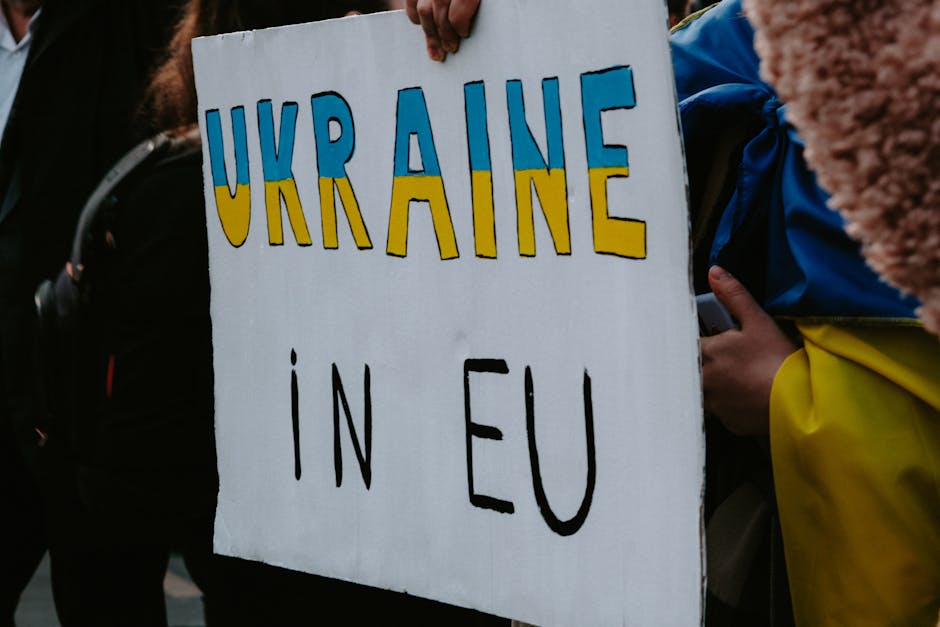
Across different regions, international pressures manifest in distinct ways, reflecting local contexts and geopolitical dynamics. In Eastern Europe, tensions between Western institutions and neighboring powers have created security dilemmas that challenge the stability of buffer states. These nations must balance competing pressures while managing internal divisions that external actors may exploit.
In the Middle East, international interventions, proxy conflicts, and shifting alliances have repeatedly destabilized political systems. External support for various factions, economic pressures related to energy resources, and competing regional powers create an environment where domestic political stability remains perpetually challenged.
Latin American nations have experienced various forms of international pressure, from debt crises influenced by international financial institutions to political interference and economic coercion. These pressures often intersect with internal vulnerabilities, creating cycles of instability that are difficult to break.
Consequences of Threatened Political Stability
When international pressures successfully undermine political stability, the consequences can be far-reaching and long-lasting. Immediate effects often include:
- Erosion of governmental authority and institutional legitimacy
- Increased social fragmentation and political polarization
- Economic decline and reduced quality of life for citizens
- Rise of extremist movements and populist leaders
- Potential for violent conflict or civil unrest
- Migration and refugee crises affecting neighboring regions
These consequences rarely remain confined within national borders. Regional instability can spread, creating security challenges for neighboring countries and broader international concerns about humanitarian crises, terrorism, and uncontrolled migration.
Strategies for Resilience
Strengthening Domestic Institutions
Nations seeking to resist destabilizing international pressures must prioritize the strengthening of domestic institutions. Robust democratic systems, independent judiciaries, transparent governance, and effective civil society organizations create resilience against external manipulation. When institutions enjoy public trust and legitimacy, governments are better positioned to withstand external pressures without compromising stability.
Economic Diversification
Economic vulnerability amplifies the impact of international pressures. Countries heavily dependent on single trading partners, specific export commodities, or foreign investment face greater risks. Diversifying economic relationships, developing domestic industries, and building economic self-sufficiency in critical sectors can reduce susceptibility to external economic coercion.
Strategic Diplomacy and Coalition Building
Effective diplomacy and the cultivation of diverse international relationships provide buffers against isolation and pressure from any single source. Multilateral engagement, participation in international organizations, and strategic partnerships create options and leverage that isolated nations lack.
Conclusion
Political stability in the modern era requires navigating complex international pressures that can emanate from multiple sources simultaneously. As globalization deepens interdependencies while also creating new vulnerabilities, nations must develop sophisticated strategies for protecting their political systems from external destabilization. Success requires balancing international engagement with domestic resilience, maintaining institutional integrity while remaining adaptable to changing global dynamics. The challenge of preserving political stability amid international pressures will remain a defining feature of international relations in the coming decades, requiring sustained attention from policymakers, scholars, and engaged citizens worldwide.