
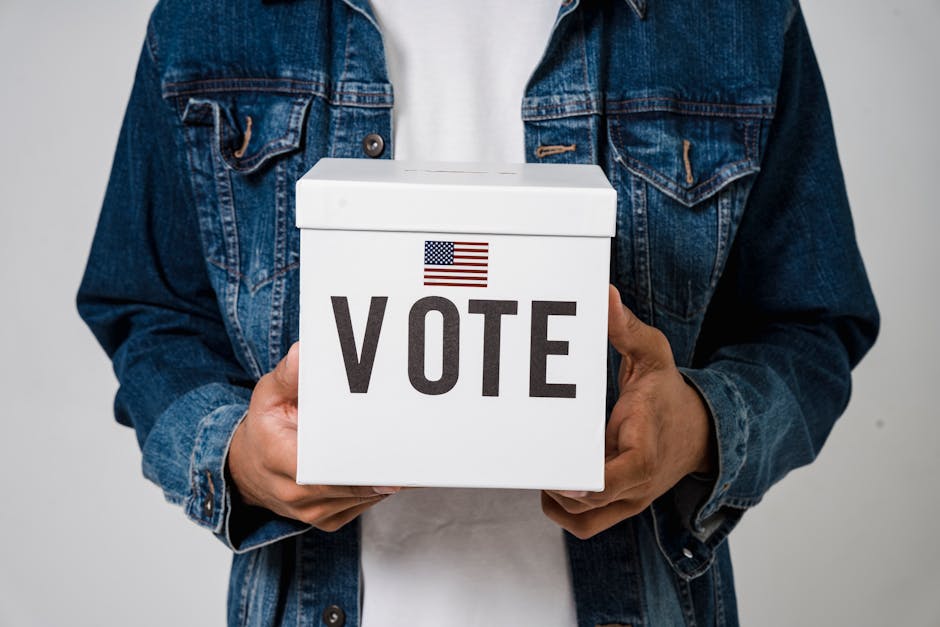
Local Elections Deliver Surprising Results
Recent local elections across the nation have produced a series of unexpected outcomes that are reshaping the political landscape at the municipal and county levels. From mayoral races to school board contests, voters have demonstrated a willingness to break with traditional patterns and embrace candidates who defy conventional political wisdom. These surprising results are prompting analysts, party officials, and community leaders to reassess their understanding of voter priorities and the factors that drive electoral success in local contests.
Upset Victories Challenge Political Assumptions
The most striking feature of this election cycle has been the number of upset victories by candidates who were not considered frontrunners. In multiple jurisdictions, political newcomers with limited campaign resources defeated well-funded incumbents who had held office for multiple terms. These results have challenged the conventional wisdom that name recognition and financial advantages are insurmountable in local politics.
Political scientists point to several factors that may explain these unexpected outcomes. Voter dissatisfaction with the status quo appears to be a significant driver, with many communities expressing frustration over issues such as housing affordability, public safety, infrastructure maintenance, and local tax policies. In several races, candidates who positioned themselves as agents of change successfully tapped into this sentiment, even when facing opponents with established track records.
Independent and Third-Party Candidates Make Gains
Another notable trend has been the success of independent and third-party candidates in local elections. Historically, these candidates have struggled to compete against major party nominees who benefit from established party infrastructure and voter loyalty. However, this election cycle has seen a marked increase in the number of independents winning seats on city councils, county boards, and other local governing bodies.
Analysts suggest that growing voter disillusionment with partisan politics at the national level may be influencing local electoral behavior. Many voters appear more willing to support candidates based on their positions on local issues rather than their party affiliation. This shift has created opportunities for candidates who can articulate clear visions for their communities without being constrained by party platforms or national political debates.
Key Issues That Shaped the Results
Several critical issues emerged as decisive factors in these local elections, often transcending traditional partisan divisions:
- Housing and Development: Communities grappling with housing affordability crises saw intense debates over zoning regulations, development policies, and affordable housing initiatives. Candidates who offered concrete solutions to housing challenges performed particularly well in urban and suburban areas experiencing rapid growth.
- Public Safety and Police Reform: Local law enforcement policies remained a contentious issue, with voters in different communities expressing divergent views on police funding, accountability measures, and crime prevention strategies. The candidates who succeeded were often those who could articulate nuanced positions that acknowledged multiple perspectives.
- Education and School Governance: School board races attracted unprecedented attention and voter turnout, with heated contests over curriculum, school budgets, and pandemic-related policies. These races often featured sharp divisions that cut across traditional political lines.
- Environmental and Sustainability Concerns: Climate change mitigation and environmental protection played significant roles in many local contests, with candidates proposing varying approaches to green infrastructure, renewable energy adoption, and conservation measures.
The Role of Grassroots Organizing
The surprising election results also highlight the effectiveness of grassroots organizing in local politics. Many successful candidates relied heavily on volunteer networks, door-to-door canvassing, and community engagement rather than expensive media campaigns. This approach proved particularly effective in smaller municipalities and suburban districts where personal connections and local knowledge carried substantial weight with voters.
Digital organizing tools and social media platforms played important roles in enabling candidates with modest budgets to reach voters efficiently. Several winning campaigns demonstrated that strategic use of digital communications could level the playing field against better-funded opponents, particularly when combined with strong ground-game efforts.
Demographic Shifts and Changing Voter Composition
Demographic changes within communities contributed to several unexpected outcomes. Areas experiencing population growth, particularly from younger residents or new arrivals from other regions, saw electoral results that differed markedly from historical voting patterns. These demographic shifts often brought different priorities and perspectives that incumbent officials had not fully anticipated or addressed.
Additionally, voter turnout patterns deviated from historical norms in many locations. Some contests saw unusually high participation rates, while others experienced lower turnout among traditionally reliable voting blocs. These variations in turnout had significant impacts on final results and suggest that voter engagement strategies may need recalibration for future elections.
Implications for Local Governance
The election results will have immediate and long-term implications for how communities are governed. Newly elected officials bring fresh perspectives and different priorities that may lead to policy shifts in areas such as budget allocation, economic development strategies, and public service delivery. The presence of more diverse voices in local government may also change the dynamics of decision-making processes and community engagement.
These surprising results serve as a reminder that local elections remain the foundation of democratic governance, directly affecting the daily lives of residents through decisions about schools, public safety, infrastructure, and community development. The unexpected outcomes demonstrate that voters remain engaged and willing to make their voices heard when they perceive important local issues at stake.
Looking Ahead
As communities adjust to their new leadership, political observers will be watching closely to see whether these election results represent a temporary disruption or signal more fundamental changes in local political dynamics. The success of unconventional candidates and the prominent role of local issues over national partisan considerations may influence how future candidates approach local campaigns and how political parties engage with municipal and county elections.
These surprising local election results underscore the vitality and unpredictability of grassroots democracy, reminding us that electoral outcomes at the community level continue to matter profoundly in shaping the character and direction of the places where people live and work.