
Why War Rhetoric Is Returning to Global Politics
The international political landscape has witnessed a troubling resurgence of militant language and confrontational discourse in recent years. From major powers to regional actors, governments are increasingly employing war rhetoric that echoes the darkest periods of the twentieth century. This shift represents more than mere political posturing; it signals fundamental changes in how nations perceive their security interests and their willingness to pursue them through force or the threat thereof.
The Erosion of Post-Cold War Optimism
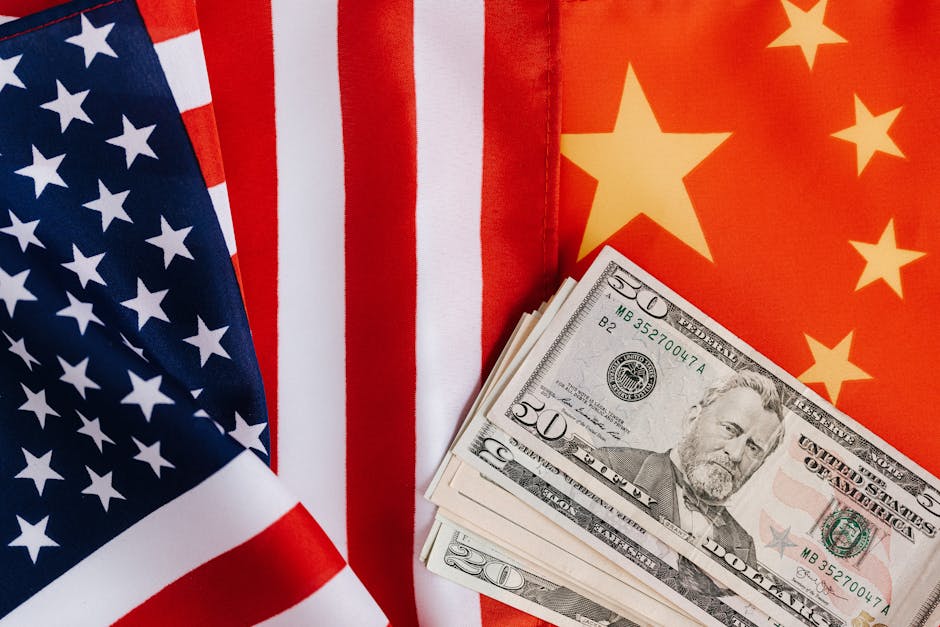
The end of the Cold War brought with it widespread expectations of a “peace dividend” and the triumph of liberal democratic values. The 1990s and early 2000s saw international institutions strengthened and multilateral cooperation become the norm for addressing global challenges. However, this optimistic period proved shorter than many anticipated. The return of great power competition, particularly between the United States, China, and Russia, has fundamentally altered the diplomatic vocabulary employed by world leaders.
This deterioration has been gradual but unmistakable. Treaties that once formed the backbone of international security architecture have been abandoned or allowed to expire. Arms control agreements have unraveled, and the mechanisms designed to prevent conflict through dialogue have weakened considerably. In this environment, rhetoric has hardened accordingly, with leaders speaking openly about military preparedness, defensive perimeters, and red lines that cannot be crossed.
Nationalism and Domestic Political Pressures
The resurgence of nationalist movements across multiple continents has contributed significantly to the return of aggressive political language. Leaders seeking to consolidate domestic support increasingly invoke external threats and frame international relations in zero-sum terms. War rhetoric serves multiple domestic political purposes: it unifies populations around perceived common enemies, distracts from internal problems, and portrays leaders as strong defenders of national interests.
Economic anxieties, demographic changes, and social fragmentation within many societies have created fertile ground for such appeals. When traditional political narratives fail to resonate, the language of conflict and existential struggle often fills the void. This dynamic transcends political ideologies and geographic boundaries, appearing in democracies and autocracies alike.
The Ukraine Conflict and Its Global Reverberations
The Russian invasion of Ukraine in 2022 marked a watershed moment in contemporary international relations, demonstrating that major conventional warfare between nation-states remained a viable political tool in the twenty-first century. This conflict shattered assumptions about the constraints that economic interdependence and international norms would place on state behavior. The war has directly contributed to more militant rhetoric across Europe and beyond, as nations reassess their security postures and defense capabilities.
The conflict has also normalized discussions about warfare in ways that would have seemed extraordinary just years earlier. Conversations about military mobilization, strategic weapons systems, and territorial defense have moved from specialized defense circles into mainstream political discourse. This normalization of war-related language represents a significant shift in the boundaries of acceptable political communication.
Competition Over Resources and Strategic Assets
Intensifying competition over critical resources has injected confrontational language into multiple regional contexts. Water scarcity, rare earth minerals, energy supplies, and strategic maritime passages have all become subjects of increasingly hostile rhetoric. Climate change exacerbates these tensions, creating new scarcities and forcing populations to migrate, which in turn generates additional friction points between nations.
The militarization of rhetoric around resource competition is particularly evident in maritime disputes, where multiple nations claim overlapping territorial waters and the valuable resources they contain. The South China Sea, Eastern Mediterranean, and Arctic region have all witnessed escalating verbal confrontations backed by military demonstrations and infrastructure development designed to assert sovereignty claims.
Technology and Information Warfare
The digital age has transformed how war rhetoric functions and spreads. Social media platforms amplify aggressive messaging, allowing it to reach vast audiences instantaneously. State-sponsored information campaigns blur the lines between propaganda and legitimate discourse, while deepfakes and artificial intelligence create new possibilities for manufacturing threats or justifying hostile actions.
Cyber warfare has introduced an entirely new domain where hostile actions can be conducted below the threshold of traditional armed conflict while still causing significant damage. This ambiguity has generated its own vocabulary of digital aggression, with nations accusing each other of cyberattacks and information operations in language that mirrors traditional warfare declarations.
The Decline of Multilateral Institutions
International organizations established to mediate disputes and maintain peace have experienced declining effectiveness and legitimacy. The United Nations Security Council frequently finds itself paralyzed by great power rivalries, unable to address even the most severe conflicts. When institutional mechanisms for peaceful conflict resolution appear ineffective, nations increasingly resort to unilateral actions accompanied by assertive rhetoric to defend their positions.
This institutional weakness creates a self-reinforcing cycle: as multilateral forums prove unable to resolve disputes, nations turn to more confrontational approaches, which further undermines these institutions’ authority and effectiveness. The resulting vacuum in global governance creates space for war rhetoric to flourish unchecked.
Implications and Concerns
The return of war rhetoric to global politics carries serious implications that extend beyond mere words. Language shapes perceptions and constrains policy options. When leaders consistently employ militant terminology, they create expectations among domestic audiences that may limit their flexibility in negotiations. Aggressive rhetoric can also trigger security dilemmas, where defensive measures by one nation are interpreted as offensive preparations by others, leading to escalatory spirals.
Historical precedents offer sobering lessons about how rhetoric can pave the way for actual conflict. The period preceding both World Wars saw significant escalations in hostile political language that normalized the idea of military solutions to political problems. While contemporary circumstances differ in many respects, the pattern of rhetoric preceding action remains relevant.
Conclusion
The resurgence of war rhetoric in global politics reflects deep structural changes in international relations rather than temporary political fluctuations. Multiple factors—from great power competition and resource scarcity to technological change and institutional decline—have combined to create an environment where militant language flourishes. Understanding these drivers is essential for anyone seeking to navigate contemporary international affairs or advocate for more peaceful approaches to resolving global disputes. The challenge facing the international community is whether this rhetorical shift represents merely a change in language or presages more fundamental and dangerous transformations in how nations interact with one another.